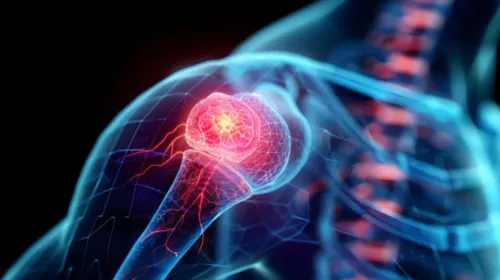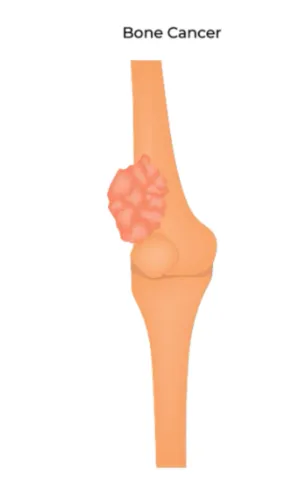

Amputation is never a first choice in orthopedic oncology, yet in certain advanced or life-threatening situations, it becomes a necessary step to preserve overall health. In cases involving aggressive bone tumors, severe infections, or non-salvageable limbs, amputation can offer pain relief, disease control, and a renewed chance at mobility with modern prosthetics.
The decision-making process is detailed and patient-centered. Surgeons assess tumor spread, blood supply, nerve involvement, and functional outcomes before recommending this path. Imaging, biopsy reports, and multidisciplinary discussions shape the final plan. The goal remains clear to remove diseased tissue completely while preparing the patient for the best possible recovery afterward.
Surgical techniques today focus on preserving maximum limb function and ensuring proper healing. Post-operative care includes rehabilitation, physiotherapy, and emotional support, all of which play a vital role in long-term recovery. Many patients are surprised by how structured rehabilitation helps them regain confidence and independence over time.
In musculoskeletal oncology, amputation is viewed not as an end, but as a transition toward improved quality of life when other treatments fall short. Clear communication and compassionate care are essential throughout this journey. For patients and families navigating this decision, a detailed consultation helps answer questions, address fears, and outline realistic outcomes. Reaching out for expert guidance can bring clarity during an otherwise overwhelming phase.