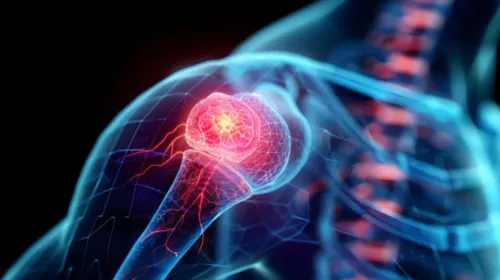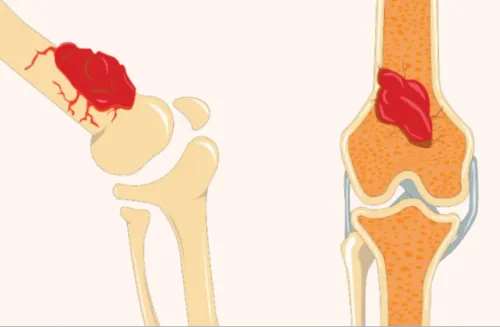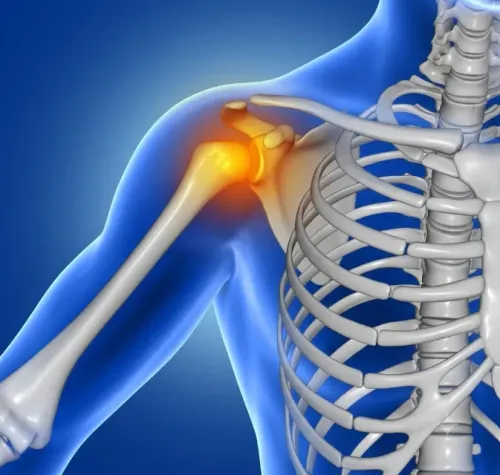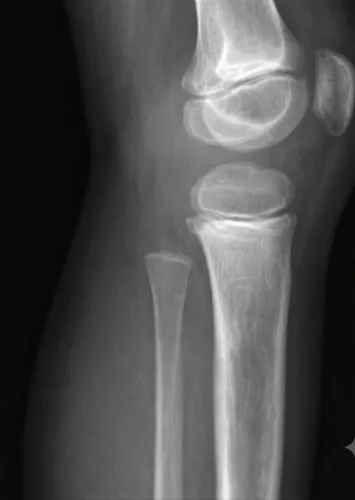

Pathological fractures occur when bones break due to underlying conditions like cancer, osteoporosis, or bone infections rather than external trauma. These fractures often indicate weakened bone structure and can be an early sign of serious illnesses such as bone tumors or myeloma. Dr Mishil Parikh in Mumbai highlights that identifying the root cause is just as important as treating the fracture itself.
Care for pathological fractures usually involves stabilizing the bone with surgery, implants, or fixation devices, followed by targeted treatment for the underlying disease. For example, if cancer weakens the bone, oncological therapies may be included alongside surgical repair. Rehabilitation and physiotherapy also play an essential role in helping patients regain mobility.
Ignoring the underlying cause and focusing only on the fracture can result in repeated injuries and complications. Seeking timely care ensures both the bone and the disease behind it are treated effectively. If unusual fractures occur with little trauma, medical evaluation should never be delayed.
Keywords