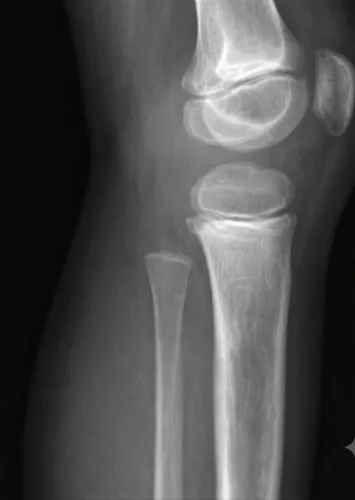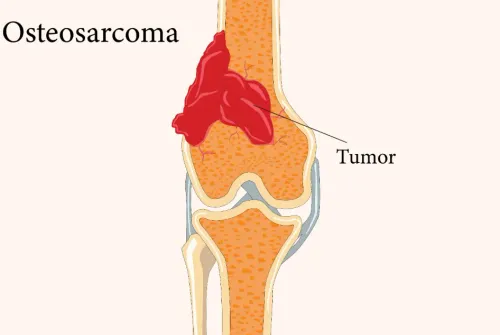

Hearing that you have a Bone Tumor can be frightening, but it is important to know that not every bone tumor is cancer. In fact, many bone tumors are benign, meaning they do not spread to other parts of the body. However, because some tumors are malignant and require prompt treatment, it is essential to have them evaluated by a specialist rather than making assumptions based on symptoms alone.
For patients in Mumbai and across Maharashtra, early diagnosis and expert assessment play a key role in determining the right treatment plan and avoiding unnecessary delays.
What Is a Bone Tumor?
A bone tumor is an abnormal growth of cells within the bone. These tumors can be classified into two broad categories:
- Benign bone tumors, which are non-cancerous
- Malignant bone tumors, which are cancerous and can spread if left untreated
Although both types may cause similar symptoms, they differ significantly in their behaviour and treatment.
Common Benign Bone Tumors
Benign tumors are generally slow-growing and do not spread to other organs.
Examples include:
- Osteochondroma
- Enchondroma
- Bone cysts
- Osteoid osteoma
- Giant cell tumor (locally aggressive in some cases)
Some benign tumors only require observation, while others may need surgery if they cause pain, weaken the bone, or interfere with movement.
Common Cancerous Bone Tumors
Malignant bone tumors require specialized treatment because they have the potential to invade nearby tissues or spread elsewhere in the body.
Some of the most common types include:
- Osteosarcoma
- Ewing Sarcoma
- Chondrosarcoma
- Secondary bone cancer from other organs
Early diagnosis improves the chances of successful treatment and may allow for limb-preserving surgical options.
Symptoms That Need Medical Attention
Benign and malignant tumors can produce similar symptoms, making medical evaluation essential.
You should consult a specialist if you experience:
- Persistent bone pain
- Swelling near a bone or joint
- A noticeable lump
- Pain that worsens at night
- Difficulty using a limb
- A fracture after a minor injury
These symptoms do not automatically indicate cancer, but they should not be ignored.
How Doctors Differentiate Between Benign and Malignant Tumors
A diagnosis is never based on symptoms alone.
Specialists use several tools to determine the nature of the tumor.
Clinical Examination
The doctor evaluates:
- Location of the pain
- Duration of symptoms
- Growth of any swelling
- Previous medical history
Imaging Studies
Investigations may include:
- X-rays
- MRI scans
- CT scans
- PET-CT in selected cases
Each imaging test provides different information about the size, location, and behaviour of the tumor.
Biopsy
A biopsy remains the gold standard for diagnosis.
During this procedure, a small tissue sample is removed and examined under a microscope to determine whether the tumor is benign or malignant.
The biopsy also helps identify the exact tumor type, which is critical for planning treatment.
Does Every Bone Tumor Need Surgery?
No.
Treatment depends entirely on the diagnosis.
A benign tumor that is stable and not causing symptoms may simply be monitored with periodic imaging.
Surgery may be recommended if the tumor:
- Causes persistent pain
- Weakens the bone
- Continues to grow
- Increases the risk of fracture
Cancerous tumors usually require a combination of surgery, chemotherapy, radiation therapy, or other treatments based on the specific diagnosis.
Why Early Assessment Is Important
Waiting to see whether a bone lump or pain improves on its own can sometimes delay diagnosis.
Early evaluation helps:
- Identify the exact condition
- Begin treatment at the right time
- Reduce complications
- Improve long-term outcomes
- Preserve normal bone function whenever possible
Prompt diagnosis is especially valuable when dealing with rare orthopedic cancers.
Expert Evaluation for Bone Tumors in Mumbai
Patients with suspected bone tumors benefit from consultation with specialists who routinely diagnose and manage these uncommon conditions. Dr. Mishil Parikh provides comprehensive evaluation for benign and malignant bone tumors, helping patients understand their diagnosis and available treatment options through an evidence-based approach. Educational information about bone tumors and musculoskeletal oncology is also available on mskonco.com for those seeking reliable guidance.
Understanding whether a bone tumor is benign or cancerous is the first and most important step toward appropriate treatment. Accurate diagnosis allows patients to move forward with confidence and receive care that is tailored to their individual condition.
Keywords