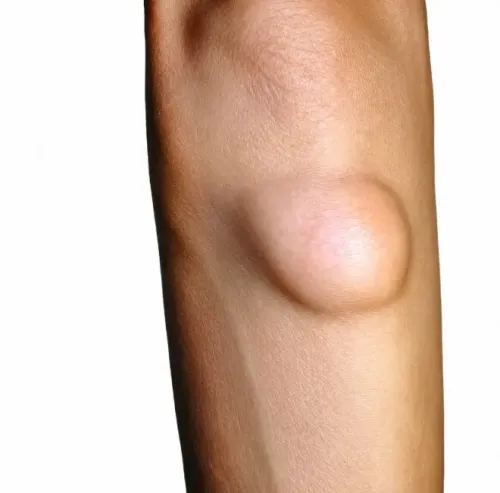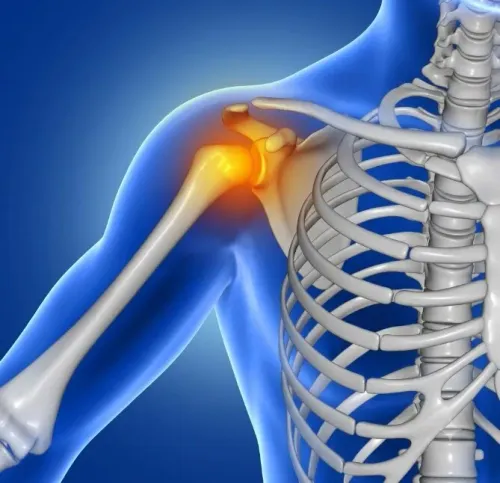
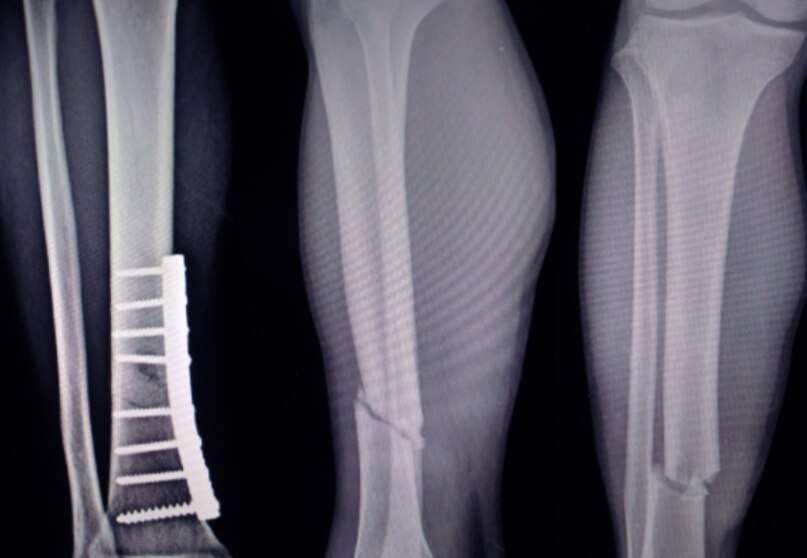
Removing a bone tumor can leave a gap that an ordinary joint replacement cannot fill, especially when the tumor involves the knee, shoulder, hip or pelvis. By the end, you will understand how a megaprosthesis is selected, how it restores movement, what recovery can involve and which long-term limitations or complications require planning.
Key takeaways
- A megaprosthesis replaces removed bone and often the nearby joint.
- Surgeons assess tumor clearance, remaining muscles, nerves, vessels and infection risk.
- Recovery requires staged physiotherapy to rebuild strength, balance and joint control.
- Grafts, fusion and amputation suit different tumor locations and reconstruction risks.
What a Megaprosthesis Replaces and Where It Is Used
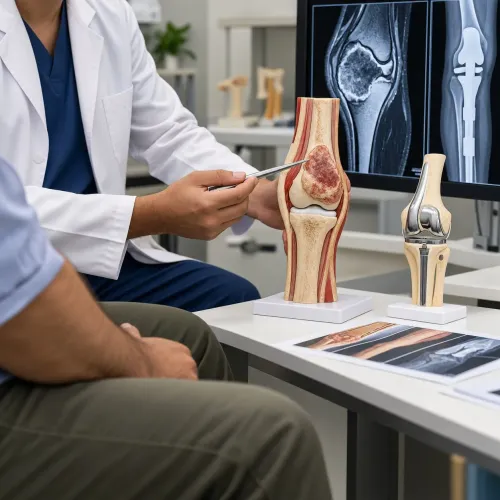
A megaprosthesis is a large modular endoprosthesis that replaces a removed bone segment and often the adjacent joint after tumor surgery. It is far larger than a routine knee or hip replacement, which usually resurfaces worn joint surfaces while preserving most of the surrounding bone, muscles, tendons, ligaments and joint structures.
Tumor reconstruction is used in several regions:
- Distal femur reconstruction, replacing the lower thighbone and knee
- Proximal tibia reconstruction, replacing the upper shinbone and knee
- Proximal humerus reconstruction, replacing the upper arm bone and shoulder
- Proximal femur reconstruction, replacing the upper thighbone and hip
- Selected pelvic reconstructions, replacing a tumor-bearing pelvic segment, sometimes with the hip joint
A tumor endoprosthesis may follow removal of a much longer section of bone, along with attached muscles, tendons, ligaments or other joint structures. Replacing the metal segment restores limb length and provides a structural framework, but it cannot replace lost soft-tissue attachments or normal joint sensation.
The implant reconstructs the limb after tumor removal; it does not treat the cancer. Cancer control depends on removing the tumor with adequate margins and using chemotherapy or radiotherapy when indicated. Functional recovery then depends on the remaining nerves, muscles and tendons, plus rehabilitation.
How Surgeons Decide Whether Reconstruction Is Safe and Suitable
A megaprosthesis is considered only after specialists establish that the tumor can be removed safely and the reconstructed limb will provide useful function. The process starts with specialist biopsy review to confirm the diagnosis, followed by staging scans of the limb and chest to assess local extent and spread.
When chemotherapy is indicated, it may precede surgery to treat microscopic disease and show how the tumor responds. Surgeons then plan the resection with planned surgical margins, assessing whether major nerves and blood vessels can be preserved, which muscles, tendons and ligaments will remain, and whether infection or wound breakdown risks are acceptable.
Limb salvage versus amputation depends on function, not appearance alone.
| Option | What surgeons compare | Finding that supports the choice |
|---|---|---|
| Limb salvage | Tumor removal, nerve and blood-vessel preservation, expected reconstruction function | A useful margin is achievable and the reconstructed limb should outperform a prosthetic limb |
| Amputation | Reliable cancer removal and rehabilitation with a prosthetic limb | Salvage would leave a painful, insensate or poorly functioning limb, or safe margins are not achievable |
Age and skeletal maturity affect implant design, while expected survival affects whether extensive reconstruction is worthwhile. Your ability to participate in physiotherapy, wound care and long-term surveillance also matters.
After selecting the implant, the team reconstructs the bone and joint, restores soft-tissue attachments, closes the wound and begins rehabilitation. Dr Mishil Parikh can contribute to this specialist discussion in Mumbai, but individualized imaging and multidisciplinary review must guide the decision.
Related services
Limb Salvage Surgery Limb salvage surgery, also known as limb-sparing surgery, is a procedure performed to remove a tumor or manage a severe injury in a limb while... View service → |
3D Printed & Computer Navigation Assisted Cancer Surgery 3D Printed & Computer Navigation Assisted Cancer Surgery 3D printing and computer navigation technologies have revolutionized the field of cancer surgery, particularly in complex cases that require precise... View service → |
How the Implant Restores Movement and What Recovery Feels Like
A megaprosthesis restores a missing limb segment through three practical jobs: it replaces structural bone and limb length, links the remaining limb to a working joint mechanism, and creates points for soft-tissue attachment after tumor resection. It rebuilds the framework, but it does not recreate every removed muscle, ligament, nerve or normal joint sensation.
1. Early recovery focuses on protection. After knee reconstruction, a hinged or constrained mechanism can provide stability when ligaments have been removed, but the quadriceps, patellar tendon, hamstrings and other repairs need time to heal. Walking aids after surgery often include a walker, crutches or a brace, with controlled knee motion and protected loading.
2. Intermediate recovery builds usable movement. Physiotherapy targets muscle strength, balance, gait and safe transfers; shoulder reconstruction adds shoulder range of motion, while knee reconstruction emphasizes knee movement and leg control. The implant may be stable before the repaired tissues are strong enough for unrestricted activity.
3. Long-term recovery is measured by practical function, not the implant alone. You may retain reduced motion, weakness, an altered gait, a cane or brace, difficulty kneeling, inability to run, lifting limits, or modified work and school activities.
An MSTS score around 70–80% describes an average result across a group, including pain, function, support use, walking and gait. It does not promise normal strength, normal athletic performance or the same outcome for you.
Megaprosthesis Compared With Grafts, Fusion and Amputation
The central choice is between immediate mechanical reconstruction and biological healing. A megaprosthesis replaces the missing bone and joint with metal, while grafts depend on bone healing across a junction.
| Option | Main advantage | Main limitation |
|---|---|---|
| Megaprosthesis versus allograft | Restores limb length and often permits earlier weight bearing | Metal does not recreate normal bone, and later loosening, wear or breakage can require revision |
| Allograft | Donor bone provides biological structure and tendon-attachment sites | The graft must unite with your bone; fracture, non-union and infection remain risks |
| Autograft reconstruction | Uses your own bone, avoiding donor-bone rejection concerns | Available bone is limited, and harvesting creates a second surgical site with its own pain and complications |
| Arthrodesis | Fuses the joint into a stable limb | Stability comes at the cost of joint movement, affecting stairs, sitting and gait |
| Amputation alternative | Avoids some graft and implant failures | Requires prosthetic-limb training and changes balance, gait and body mechanics |
Metallic reconstruction can support earlier loading than a biological graft, which must unite before it tolerates full stress. Early does not mean unrestricted: loading or knee motion may remain limited while a tendon or muscle repair heals.
Children face an additional problem when tumor removal crosses an open growth plate. The treated limb can later become shorter; expandable or lengthening-capable implants address the discrepancy but require surveillance and sometimes further procedures. They adjust length, not normal growth biology.
Complications, Implant Longevity and Follow-Up
Deep infection, wound breakdown, instability or dislocation where relevant, and failure of the tendon or muscle repair can limit function even when the implant is positioned well. Published deep-infection rates range from single digits to low teens; site, chemotherapy, previous operations, wound condition and resection extent shift the risk.
A megaprosthesis can fail without cancer returning. Aseptic loosening, component wear or breakage, periprosthetic fracture and soft-tissue failure are mechanical problems; recurrence requires a different assessment. Standardized failure categories are:
- Soft-tissue failure
- Aseptic loosening
- Structural failure
- Infection
- Tumor progression
Implants last for years, not forever. Revision risk continues over time and often increases in younger patients who place many years of load on the reconstruction. Follow-up combines examination, imaging of the local reconstruction and chest imaging for lung metastases.
New pain, swelling, reduced function or a mass needs evaluation for recurrence, infection, loosening or fracture—not dismissal as normal wear.
Frequently asked questions
What does a megaprosthesis replace after bone tumor surgery?
It replaces a large section of removed bone and often the adjacent joint, such as the knee, hip or shoulder.
How do surgeons decide whether a megaprosthesis is suitable?
They assess whether the tumor can be removed with safe margins, then evaluate remaining bone, muscles, tendons, nerves, blood vessels, skin and infection risk.
How does a megaprosthesis restore limb movement?
The implant restores bone length and joint alignment, while repaired muscles and tendons provide the force needed for controlled movement.
How does a megaprosthesis compare with a graft, fusion or amputation?
A megaprosthesis offers immediate structural reconstruction, while grafts require bone healing, fusion sacrifices joint movement and amputation removes the limb segment.
What complications and follow-up does a megaprosthesis involve?
Follow-up checks for infection, loosening, breakage, instability, wear, nerve problems and local tumor recurrence through examinations and imaging.
Related service
Sarcoma / Musculoskeletal / Orthopaedic Oncology Bone Sarcoma, Benign Bone Tumor Bone sarcoma and benign bone tumors are two distinct types of bone conditions. 1. View service → |