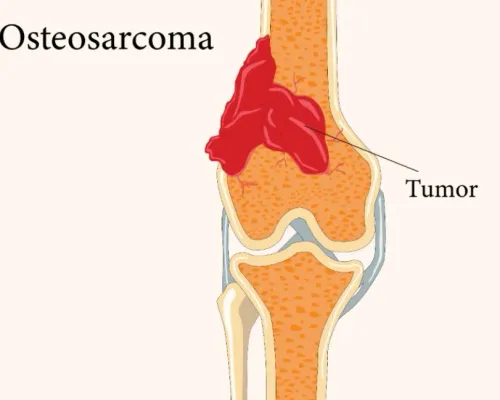
A cancer-affected limb can be preserved when surgeons can remove the tumor with an adequate margin and rebuild a limb that will provide useful function. The decision depends on anatomy, tumor control, reconstruction risks, treatment response, and your goals—not on tumor size alone.
Key takeaways
- Limb salvage requires clear tumor margins and enough healthy tissue for useful function.
- MRI, CT, biopsy, and blood-vessel imaging map the tumor before surgery.
- Reconstruction may use implants, bone grafts, allografts, or soft-tissue flaps.
- Amputation can be safer when salvage would leave poor function or uncontrolled cancer.
Which cancers and tumor locations are candidates for limb preservation?
A limb can be preserved when surgeons can remove the tumor with a clear oncologic margin and leave enough healthy bone, muscle, nerves, and blood supply for a safe, useful limb.
Appearance alone is not success: a saved limb that is numb, unstable, chronically painful, or unable to support walking or lifting may function worse than an amputation.
Candidates commonly include:
- Bone sarcoma confined to a segment that can be removed and reconstructed.
- Soft-tissue sarcoma that does not irreversibly destroy major nerves or blood vessels.
- Metastatic tumors limited to a removable area, when the primary cancer and other disease can also be controlled.
- Tumors around the knee, hip, shoulder, or pelvis when reconstruction can restore stability and movement.
Tumor location changes the technical challenge:
| Tumor location | When preservation can work | Main concern |
|---|---|---|
| Around the knee | The bone and joint can be replaced or reconstructed after wide excision | Stiffness, weakness, or poor joint control |
| Hip or pelvis | The tumor can be removed without sacrificing essential nerves and vessels | Instability, limb-length difference, and difficult reconstruction |
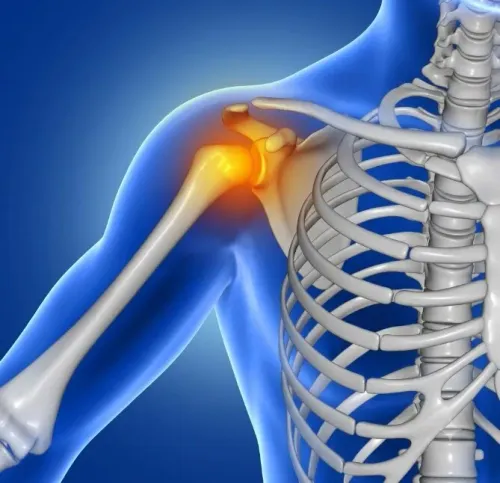
| Shoulder | The tumor can be removed while retaining a usable arm and key muscle or nerve function | Limited lifting and shoulder movement |
| Other limb sites | Remaining bone and soft tissue can support reconstruction and healing | Infection, tissue loss, or nonfunctional muscle |
Amputation becomes safer when a clear margin is impossible, critical nerves or vessels cannot be preserved, infection is uncontrolled, or reconstruction would produce a nonfunctional limb. Tumor size alone does not decide it.
What tests determine whether the tumor can be removed safely?
The key question is whether the tumor can be removed with a clear margin while leaving a limb that remains useful, stable, and adequately supplied with blood. Preserving the limb’s outline is not enough if surgery would leave severe pain, loss of sensation, weakness, or no practical function.
Doctors combine these findings:
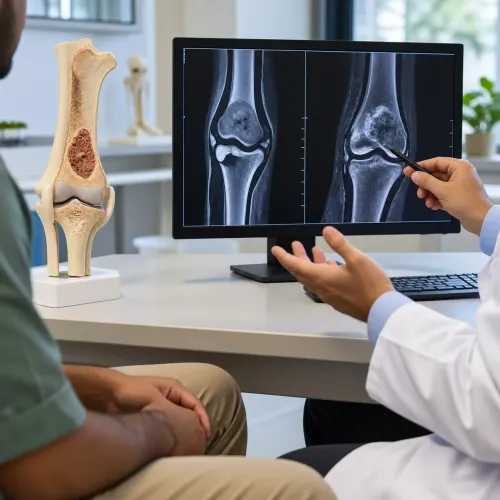
- MRI of the involved limb maps the tumor’s size and relationship to bone, muscle, joints, nerves, and blood vessels. It also shows whether nearby compartments are involved, which affects the margin and reconstruction.
- A CT of the chest checks for lung metastases, while additional scans stage the rest of the body. Metastases do not automatically rule out limb salvage; the team considers their number, location, treatability, and whether the primary tumor can be controlled.
- Vascular imaging shows whether an artery or vein is merely displaced, surrounded, blocked, or invaded. A vessel that must be removed can sometimes be reconstructed, but unreconstructable blood flow makes preservation unsafe.
- Biopsy planning is part of the definitive operation. The needle path and biopsy tract must sit where the surgeon can remove them with the tumor; a poorly placed tract can contaminate extra tissue and make limb salvage impossible.
The final plan also asks whether enough bone, muscle, skin, and soft tissue remain for reconstruction. Major motor or sensory nerve involvement can make a technically successful operation produce a nonfunctional limb.
How is the limb rebuilt after the tumor is removed?
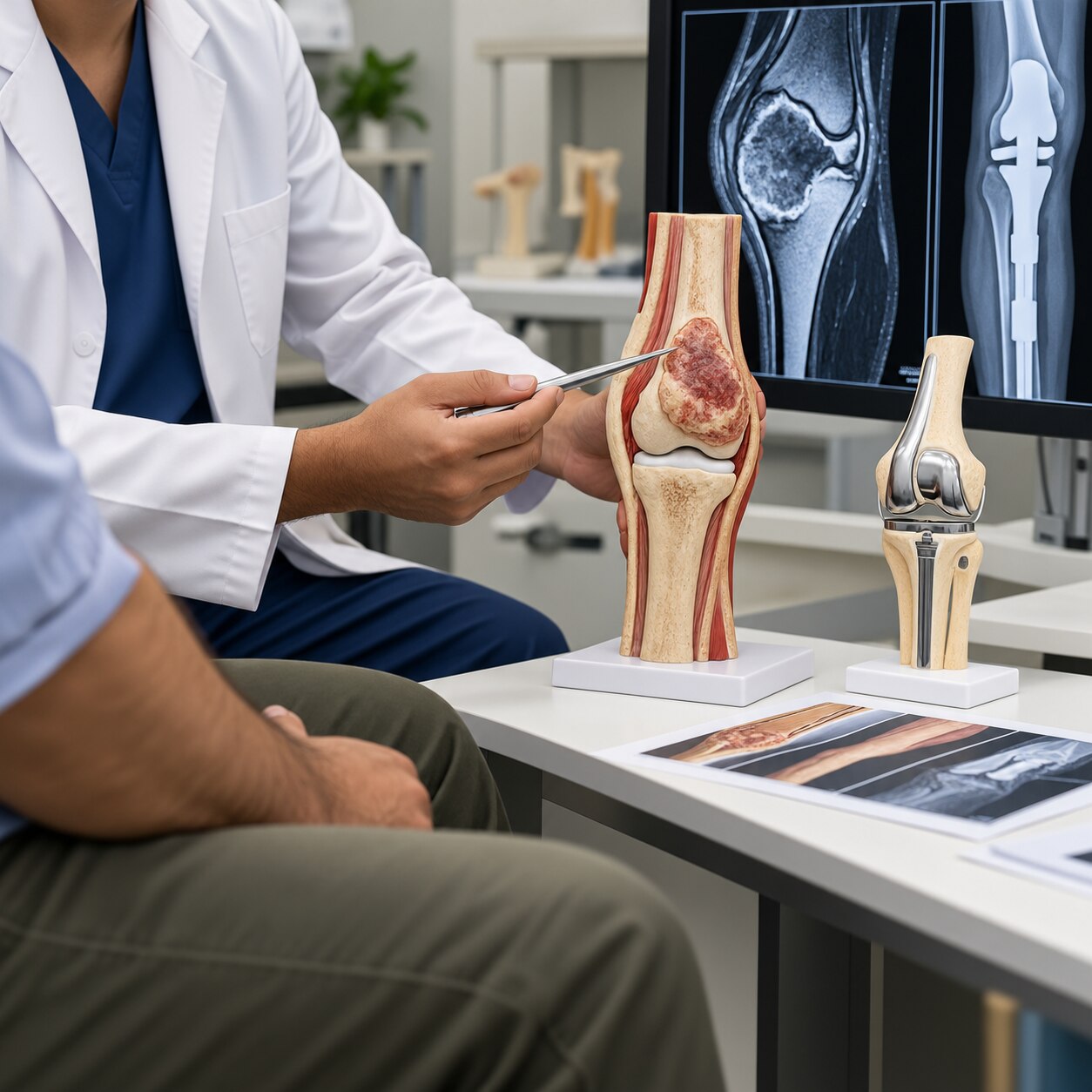
The defect determines the reconstruction: a removed bone segment may need a metal implant or graft, a missing joint needs replacement or fusion, and lost muscle, skin, or blood vessels require living tissue or vascular repair. The tumor is removed with a margin of surrounding normal tissue before reconstruction begins.
| Option | Best fit | Main recovery or complication |
|---|---|---|
| Endoprosthetic replacement | Large bone-and-joint defects, especially around the knee, hip, or shoulder | Earlier movement than biologic grafting, but infection, dislocation, loosening, wear, and later revision surgery remain possible |
| Allograft reconstruction | A structural bone gap when preserving native bone shape matters | Bone incorporation is slow; fracture, nonunion, infection, and graft failure can require another operation |
| Autograft reconstruction | Smaller defects or selected vascularized bone grafts, such as fibula | Healing uses your own tissue but creates a second surgical site, with possible pain, weakness, or fracture |
| Arthrodesis or fusion surgery | A joint that cannot be reliably reconstructed or would be unstable after resection | Produces a solid, stable limb but sacrifices joint movement and shifts stress to nearby joints |
| Muscle or skin flap | Exposed bone, implant, graft, or blood vessel after soft-tissue removal | Flaps protect the reconstruction, but wound breakdown, fluid collection, or flap failure can delay healing |
| Vascular reconstruction | A resected major artery or vein | Blood flow can be restored, but clotting, bleeding, narrowing, or graft infection threatens the limb |
Rehabilitation may last months and includes wound care, physiotherapy, progressive weight-bearing, and strength recovery. A limb that remains attached is not automatically useful: persistent pain, stiffness, weakness, infection, or repeated implant failure can produce a poorer result than expected.
When is amputation safer or more functional than limb salvage?
Amputation becomes safer or more functional when limb salvage cannot achieve a clear surgical margin or would leave a painful, insensate, unstable, or nonfunctional limb. Tumor size alone does not decide the operation.
| Finding | Limb salvage may be reasonable | Amputation may be safer |
|---|---|---|
| Tumor and margin | The tumor can be removed completely, with reconstruction of the remaining bone and soft tissue. | A clear surgical margin cannot be achieved without leaving cancer behind. |
| Nerves | The main motor and sensory nerves remain usable, or repair can produce useful function. | Major nerve involvement would leave the limb without meaningful movement or sensation. |
| Blood vessels | Major blood-vessel involvement can be removed and reconstructed with dependable circulation. | Vessels cannot be safely reconstructed, or the limb would remain poorly supplied with blood. |
| Infection and tissue damage | Infection is controlled and enough healthy skin, muscle, and bone remain to cover and support reconstruction. | There is uncontrolled infection or extensive tissue destruction that makes reconstruction unsafe. |
| Expected result | The limb should support useful walking, lifting, or daily activities after recovery. | Reconstruction would bring repeated operations, severe pain, stiffness, weakness, or little practical benefit. |
Preserving an attached limb is not the same as preserving independence. Doctors compare expected function, wound healing, pain, local tumor control, and revision risk against the reliability of an amputation and prosthesis.
Dr Mishil Parikh can use this functional comparison when discussing whether a complex tumor resection offers a usable limb rather than only a preserved one.
Related services
Limb Salvage Surgery Limb salvage surgery, also known as limb-sparing surgery, is a procedure performed to remove a tumor or manage a severe injury in a limb while... View service → |
3D Printed & Computer Navigation Assisted Cancer Surgery 3D Printed & Computer Navigation Assisted Cancer Surgery 3D printing and computer navigation technologies have revolutionized the field of cancer surgery, particularly in complex cases that require precise... View service → |
How do chemotherapy, radiation, spread, and growth affect the decision?
Tumor type and response to treatment can change whether limb preservation remains safe. Osteosarcoma chemotherapy is usually given before and after surgery; the preoperative course treats microscopic disease and shows how the tumor responds, but a good response does not replace the need for a clear surgical margin.
Ewing sarcoma also needs systemic chemotherapy, with surgery, radiation, or both providing local control.
Radiation choice depends on the tumor and the operation. For soft-tissue sarcoma, preoperative radiation uses a smaller field and lower total dose but raises the risk of wound-healing problems. Postoperative radiation reduces concern about operating through recently irradiated tissue but increases later fibrosis, stiffness, and swelling.
Lung or other metastases do not automatically rule out limb salvage. Doctors consider the total disease burden, whether the primary tumor can be controlled, whether metastatic sites can be treated, and your overall health. Spread that cannot be controlled may shift the goal from reconstruction to systemic disease treatment.
A child’s plan must account for remaining growth. Removing a growth plate can create a limb-length difference, while an expandable or growing reconstruction may require later lengthening or revision.
The first operation also affects the next one. Recurrence, infection, implant failure, growth, or changing function can require additional surgery, so reconstruction must leave workable options rather than only preserve the limb today.
Frequently asked questions
Which cancers and tumor locations can qualify for limb preservation?
Bone and soft-tissue tumors in the arms, legs, pelvis, and shoulder or hip regions can qualify when surgeons can remove the tumor with a clear margin while preserving useful nerves, blood vessels, muscle, and skin.
What tests determine whether a tumor can be removed safely?
A biopsy identifies the tumor type. MRI maps local involvement, CT evaluates bone and the chest, and angiography or CT angiography shows whether major blood vessels can be preserved or reconstructed.
How is the limb rebuilt after tumor removal?
Reconstruction can use a custom or modular metal implant, structural bone graft, donor bone, joint replacement, soft-tissue flap, or a combination selected for the defect and expected function.
When is amputation safer or more functional than limb salvage?
Amputation may be safer when the tumor involves critical nerves or vessels, cannot be removed with a clear margin, causes extensive infection, or would leave a painful, unstable, nonfunctional limb.
How do chemotherapy, radiation, tumor spread, and growth affect the decision?
Chemotherapy can shrink or control some tumors before surgery, while radiation affects tissue healing and reconstruction. Metastases, rapid growth, treatment response, and tumor location all influence whether salvage is safe.
Related services
Pelvic Resection also known as pelvic exenteration, is a surgical procedure that involves the removal of a portion or the entirety of the pelvic organs and... View service → |
Skin Cancers Skin cancer refers to the abnormal growth of skin cells, typically as a result of damage to the DNA of the skin cells caused by exposure to... View service → |
Metastatic Spine disease also known as spinal metastasis or metastatic spinal tumor. The symptoms of metastatic spine disease can vary depending on the location and extent of... View service → |
Sarcoma / Musculoskeletal / Orthopaedic Oncology Bone Sarcoma, Benign Bone Tumor Bone sarcoma and benign bone tumors are two distinct types of bone conditions. 1. View service → |