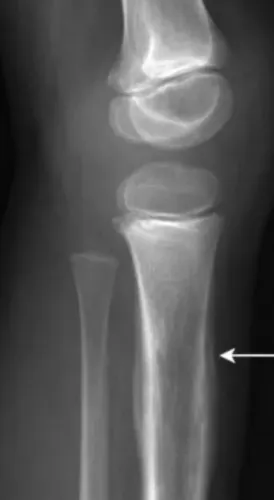
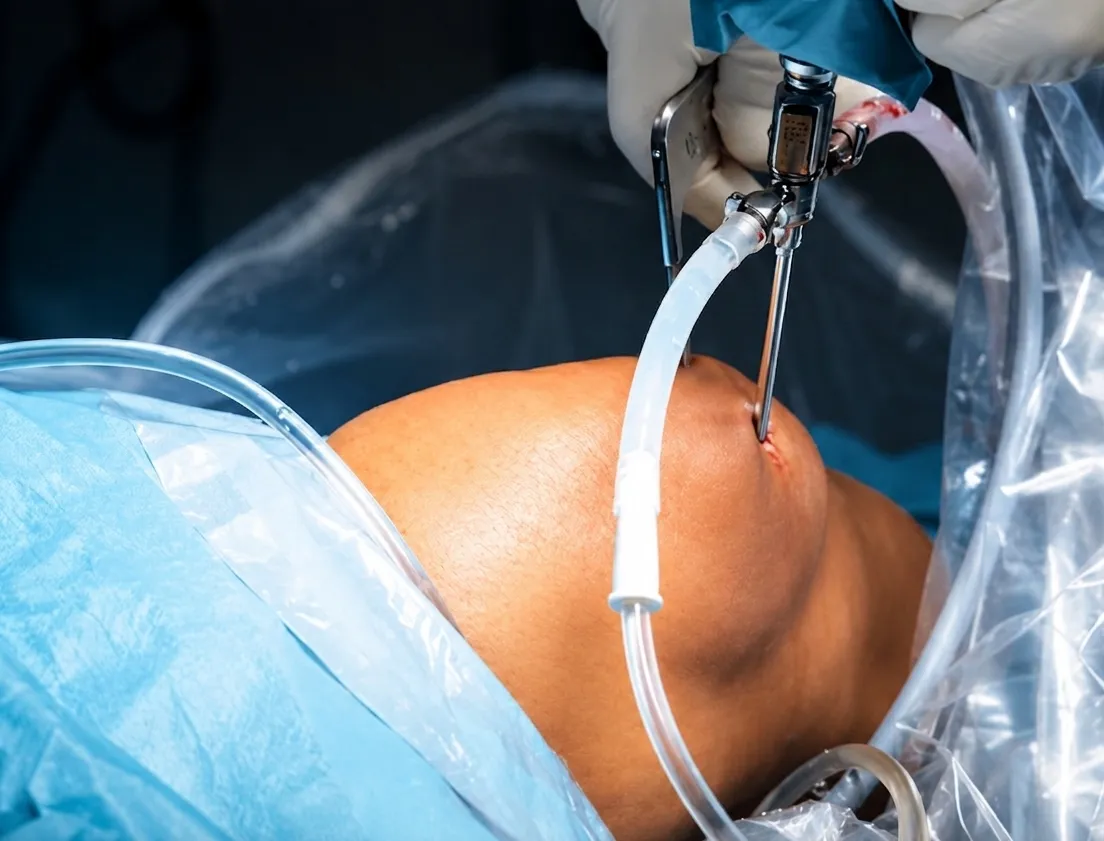
A diagnosis of Bone Cancer brings many difficult questions, but one of the biggest concerns for patients and families is whether the affected limb can be saved. Years ago, amputation was often considered the standard treatment for many bone tumors. Today, significant advances in musculoskeletal oncology have made Limb Salvage Surgery a safe and effective option for many patients.
Choosing between limb salvage surgery and amputation depends on several medical factors rather than personal preference alone. Understanding how specialists make this decision can help patients feel more confident during treatment planning.
What Is Limb Salvage Surgery?
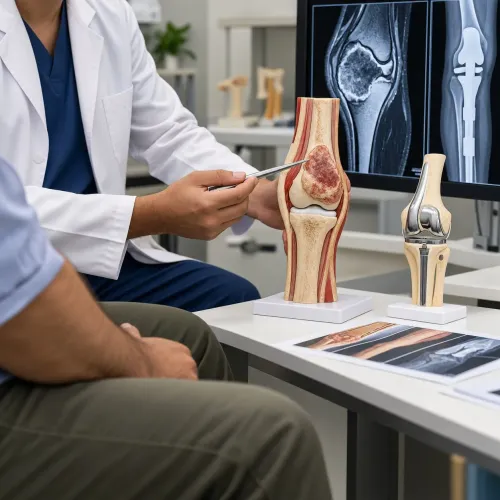
Limb Salvage Surgery is a procedure that removes the cancer while preserving the arm or leg whenever it is medically safe to do so.
After removing the tumor, the surgeon reconstructs the affected area using techniques such as:
- Metal implants
- Custom prostheses
- Bone grafts
- Biological reconstruction
- Joint replacement in selected cases
The primary goal is complete cancer removal while maintaining as much function as possible.
What Is Amputation?
Amputation involves removing part or all of the affected limb to eliminate the cancer.
Although it may sound overwhelming, amputation is sometimes the safest treatment when preserving the limb could leave cancer behind or result in poor function.
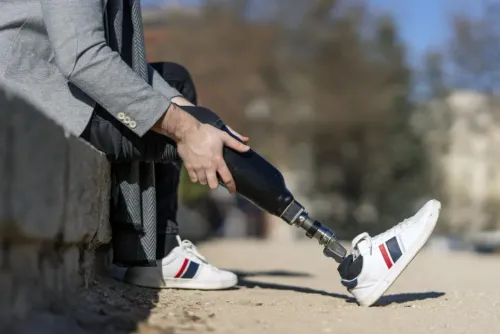
Modern prosthetic limbs have significantly improved mobility, allowing many patients to return to work, sports, and daily activities after rehabilitation.
When Is Limb Salvage Surgery Possible?
Not every patient with Bone Cancer requires amputation.
Limb salvage surgery may be considered when:
- The tumor can be completely removed.
- Major nerves can be preserved.
- Blood vessels can be protected or reconstructed.
- Infection risk is manageable.
- The remaining limb is expected to function well.
Advances in imaging, surgical planning, and reconstruction techniques have expanded the number of patients who qualify for limb-preserving procedures.
When Is Amputation the Better Choice?
Although limb salvage is preferred whenever appropriate, amputation may still be recommended in situations such as:
- Extensive involvement of major nerves or blood vessels
- Very large tumors affecting multiple structures
- Recurrent tumors after previous treatment
- Severe infection around the tumor
- Non-functional limbs where reconstruction would not provide meaningful benefit
The decision is based on achieving the best balance between cancer control and long-term quality of life.
Comparing Both Treatment Options
Limb Salvage Surgery
Advantages
- Preserves the natural limb
- Maintains body image
- Allows more natural movement in suitable cases
- Advances in reconstruction provide excellent functional outcomes
Challenges
- Longer surgical procedure
- More complex rehabilitation
- Possible need for future implant-related procedures
- Regular long-term follow-up
Amputation
Advantages
- Reliable removal of extensive disease
- Lower risk of certain local complications
- Modern prosthetics can provide excellent mobility
Challenges
- Permanent loss of the limb
- Emotional adjustment
- Prosthetic adaptation and rehabilitation
- Lifestyle modifications
Neither option is universally better. The right treatment depends entirely on the individual patient and the characteristics of the tumor.
Does Limb Salvage Affect Survival?
One of the most common questions patients ask is whether preserving the limb reduces the chance of curing the cancer.
For carefully selected patients, studies have shown that Limb Salvage Surgery can achieve survival outcomes comparable to amputation when the tumor is completely removed.
This is why treatment planning focuses first on cancer control and then on preserving function whenever safely possible.
Rehabilitation After Surgery
Recovery does not end with the operation.
Patients usually require:
- Physiotherapy
- Strength training
- Balance exercises
- Gait training
- Regular imaging follow-up
A structured rehabilitation program helps patients regain confidence and return to everyday activities.
The Importance of a Multidisciplinary Team
Successful treatment involves collaboration between:
- Orthopaedic oncologists
- Medical oncologists
- Radiologists
- Pathologists
- Plastic and reconstructive surgeons
- Physiotherapists
- Rehabilitation specialists
Each specialist contributes to creating an individualized treatment plan.
Choosing the Right Specialist in Mumbai
Patients considering Limb Salvage Surgery benefit from consulting specialists experienced in complex bone tumor surgery. Dr. Mishil Parikh focuses on musculoskeletal oncology, offering comprehensive evaluation and treatment planning for Bone Cancer and other orthopedic cancers. Through mskonco.com, patients can also access educational resources to better understand available treatment options before making informed decisions.
While every case is unique, advances in orthopedic oncology mean that many patients who once required amputation can now achieve excellent cancer control while preserving limb function whenever medically appropriate.
Keywords