Persistent bone pain in a child, teenager or young adult is often associated with sports, activity or minor injuries. In a small number of cases, however, ongoing pain can be related to a serious condition such as Ewing sarcoma.
Ewing sarcoma is a rare cancer that most often affects children, adolescents and young adults. It can arise in bone and may also develop in soft tissue. Recognising symptoms and completing the right investigations are important because treatment needs specialist coordination.
What Does Ewing Sarcoma Feel Like?
There is no single symptom that confirms Ewing sarcoma. Pain is one of the more common early complaints.
The discomfort may initially come and go. As the condition progresses, it can become persistent and interfere with activity.
Other possible symptoms include
- Swelling near the painful area
- A palpable lump
- Tenderness
- Reduced movement
- Fever in some patients
- Fatigue
- Unexplained weight loss in some cases
- Fracture through an affected bone
These symptoms can overlap with infections and common musculoskeletal problems. This overlap is one reason imaging and pathology are so important.
Which Bones Can Be Affected?
Ewing sarcoma can occur in several areas of the skeleton. The pelvis, thigh bone, ribs and other long bones can be involved.
The symptoms experienced by a patient depend partly on the tumor's location. A pelvic tumor may present differently from one affecting a leg.
Rather than relying on symptoms alone, doctors investigate persistent unexplained problems through appropriate imaging.
What Tests May Be Needed?
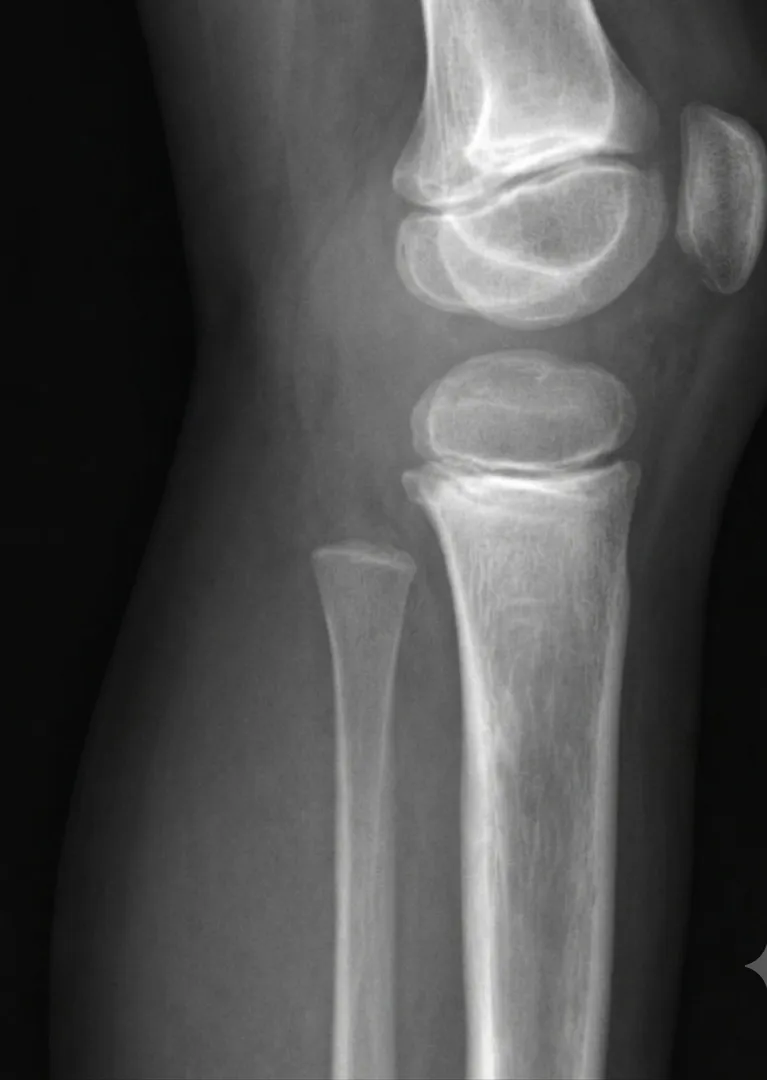
Initial assessment can include X-rays followed by more detailed imaging. MRI helps define the tumor locally and demonstrates its relationship with surrounding structures.
Doctors may also request imaging to evaluate whether the disease has spread beyond the original site.
A biopsy is necessary to establish the diagnosis. Tissue obtained during biopsy is examined by pathology specialists, with additional laboratory testing used when needed to characterize the tumor.
Why Is Biopsy Planning Important?
A biopsy may sound like a small procedure compared with cancer surgery, but it is a major part of musculoskeletal oncology planning.
The location and direction of the biopsy tract can affect later surgery. If a suspicious bone or soft-tissue tumor is sampled through an unsuitable route, subsequent tumor removal can become more complicated.
For this reason, patients with a suspicious mass can benefit from having the biopsy strategy coordinated with the team that may ultimately perform definitive surgery.
How Is Ewing Sarcoma Treated?
Ewing sarcoma generally requires multimodal treatment. Systemic chemotherapy is an important component because the disease is treated as more than just a local tumor.
Local control may involve surgery, radiotherapy or both depending on the tumor's site, response and resectability.
When surgery is suitable, the objective is to remove the tumor with adequate margins while considering function and reconstruction.
For tumors affecting an arm or leg, limb preservation may be considered when oncologically appropriate.
What Should Families Ask During Consultation?
Cancer terminology can become overwhelming very quickly. Families can make consultations more useful by asking focused questions such as
- Has the diagnosis been confirmed by pathology?
- What imaging is required for staging?
- Where exactly is the tumor located?
- What is the proposed treatment sequence?
- Is surgery expected to be part of local control?
- What functional effects may result from treatment?
- What rehabilitation could be required?
- What follow-up will be needed?
Patients travelling within Mumbai or from other areas of Maharashtra may also need to consider the practical coordination of oncology appointments, investigations, treatment cycles and rehabilitation.
Dr Mishil Parikh evaluates patients with musculoskeletal tumors in Mumbai and provides surgical oncology assessment for conditions involving bone and soft tissue.
Persistent bone pain in a young person does not automatically indicate Ewing sarcoma. When pain remains unexplained, progressively worsens or occurs alongside swelling, proper evaluation can identify the cause and establish the next step without relying on assumptions.
Keywords