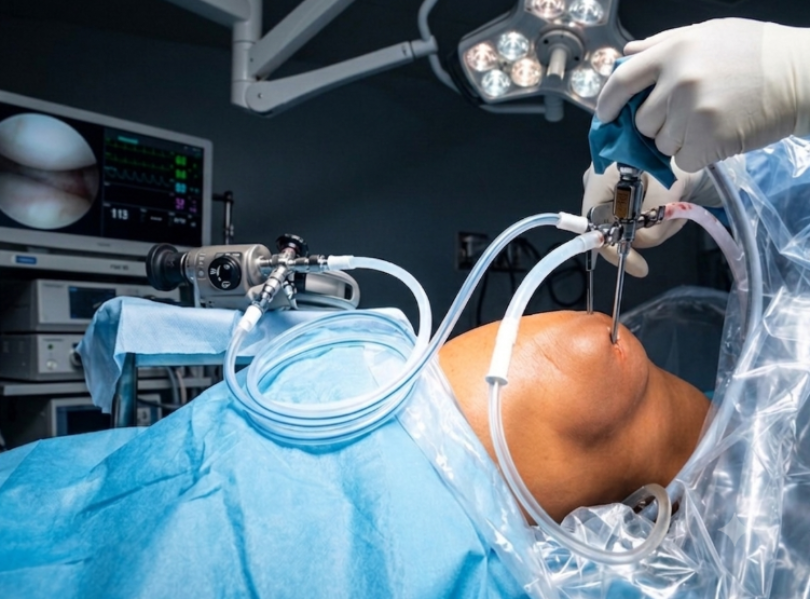
For a patient diagnosed with a bone or soft-tissue cancer in an arm or leg, one of the most difficult questions is whether the limb can be preserved. Advances in imaging, chemotherapy, surgical techniques and reconstruction have made limb salvage surgery possible for many appropriately selected patients.
The decision, however, depends on cancer safety as well as future function.
What Is Limb Salvage Surgery?
Limb salvage surgery removes a malignant tumor while retaining the affected arm or leg.
After the tumor is removed with an appropriate margin, the resulting defect may need reconstruction. Depending on the site and amount of tissue removed, reconstruction can involve specialized prostheses, biological reconstruction and soft-tissue procedures.
The aim is not simply to keep the limb physically present. The goal is to achieve adequate cancer clearance while preserving meaningful function when feasible.
Which Patients May Be Candidates?
Suitability depends on individual anatomy and tumor characteristics.
The surgical team evaluates
- Tumor type
- Tumor size
- Tumor location
- Response to preoperative treatment when applicable
- Involvement of major blood vessels
- Involvement of important nerves
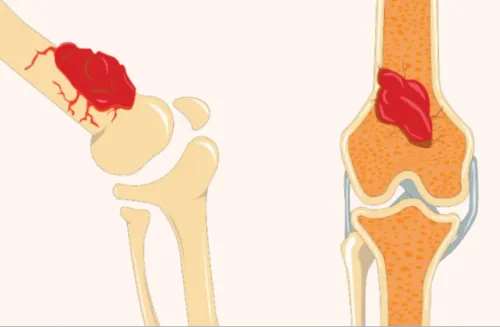
- Bone and joint involvement
- Ability to obtain an adequate margin
- Possibility of reconstruction
- Expected postoperative function
A decision is usually made after reviewing MRI, pathology and staging information.
What Happens During Surgery?
The cancerous tissue is removed according to oncological principles.
If a segment of bone or a joint must be removed, reconstruction may be needed to restore stability and movement. For large defects near major joints, specialized tumor prostheses may be considered in selected cases.
Soft-tissue reconstruction can also be important. Muscles and other tissues help cover the reconstruction and contribute to function.
Each operation is tailored to the tumor's anatomical location.
What Does Recovery Involve?
Recovery from limb-salvage surgery is a process rather than a single milestone.
Initially, pain control, wound care and safe movement are priorities. Physiotherapy is introduced according to the reconstruction and surgical instructions.
Over time, rehabilitation may focus on
- Joint movement
- Muscle strength
- Balance
- Walking
- Functional use of the limb
- Returning to appropriate daily activities
Some patients require assistive devices during recovery.
Is Limb Salvage Always the Best Choice?
Preserving the limb is desirable when it can provide sound cancer control and useful function. It is not automatically the safest choice in every case.
If obtaining an adequate tumor margin would be difficult, vital structures cannot be preserved or the remaining limb is unlikely to provide useful function, another surgical approach may be recommended.
This is why treatment discussions should focus on both oncological safety and expected quality of function.
Questions Worth Asking Before Surgery
Before proceeding with limb preservation, patients can ask
- What margin is required around the tumor?
- Which muscles, nerves and blood vessels are involved?
- What reconstruction is planned?
- What movement is likely after recovery?
- How long might rehabilitation take?
- Are future procedures potentially required?
- What complications are most relevant to this reconstruction?
- How will cancer surveillance be performed?
Clear answers help families understand the practical implications of treatment.
Limb Salvage Evaluation in Mumbai
Complex musculoskeletal tumor surgery benefits from detailed imaging, pathology review and coordinated cancer care.
Dr Mishil Parikh evaluates patients in Mumbai who require surgical treatment for bone and soft-tissue tumors, including assessment for limb-salvage procedures.
Patients should ideally attend with their MRI, X-rays, biopsy report and staging investigations. These records allow the surgeon to evaluate whether the tumor can be removed adequately and whether the remaining limb can be reconstructed effectively.
For patients from Mumbai and across Maharashtra, limb-salvage planning is highly individual. The key question is not simply whether the limb can technically be preserved. It is whether preservation can achieve appropriate cancer clearance and leave a limb with meaningful function.
Keywords