
A diagnosis of bone cancer introduces several unfamiliar terms at once biopsy, staging, margins, chemotherapy, reconstruction and rehabilitation. Patients may naturally focus on removing the tumor quickly, but successful treatment begins with careful sequencing rather than rushing directly into an operation.
For patients in Mumbai, knowing the typical treatment-planning pathway can make specialist consultations more productive.
Step 1 Confirm What the Lesion Is
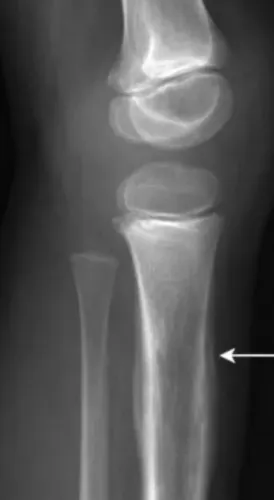
A suspicious bone lesion on an X-ray or MRI is not automatically bone cancer.
Doctors first review the symptoms, physical findings and imaging characteristics. Further scans may then be required.
When cancer is suspected, tissue diagnosis is usually obtained through a carefully planned biopsy.
The pathology report establishes the type of tumor and provides information needed for treatment planning.
Step 2 Determine the Extent of Disease
Once malignancy is confirmed, staging helps establish how far the disease has progressed.
Doctors need to understand
- The exact local extent of the primary tumor
- Whether important nearby structures are involved
- Whether disease is present elsewhere
- The patient's general medical condition
The investigations required vary according to the specific cancer.
Step 3 Identify the Tumor Type
Primary bone cancers include several distinct diseases.
Osteosarcoma, Ewing sarcoma and chondrosarcoma are among the better-known examples, but their treatment pathways are not identical.
Some bone tumors are particularly sensitive to systemic therapy. Certain others are managed primarily with surgery. Histological subtype, grade and stage therefore guide the sequence of care.
Step 4 Plan Local Tumor Control
When surgery is appropriate, the objective is to remove the tumor with an adequate oncological margin.
Surgeons study MRI and other imaging to understand the tumor's relationship with
- Major nerves
- Blood vessels
- Joints
- Muscles
- Growth plates in younger patients
- Surrounding bones and tissues
This planning helps determine how much tissue must be removed and what reconstruction may be needed afterward.
Step 5 Consider Limb Preservation
When bone cancer affects an extremity, many patients immediately worry about losing the limb.
Limb-salvage surgery can be possible in appropriately selected cases. The procedure involves removing the tumor while preserving the limb, followed by reconstruction when required.
Reconstruction may involve specialized implants, biological techniques or other approaches depending on the defect.
Limb preservation must never compromise appropriate cancer removal. In some situations, amputation remains the safer oncological and functional option.
Step 6 Prepare for Rehabilitation
Surgery is not the end of recovery.
Physiotherapy and rehabilitation can be essential after major musculoskeletal oncology procedures. Patients may need to rebuild strength, relearn movement patterns and gradually increase weight-bearing according to surgical guidance.
The rehabilitation timeline varies considerably according to the tumor location and reconstruction.
Step 7 Continue Surveillance
Cancer follow-up usually involves scheduled clinical reviews and imaging.
Surveillance helps doctors monitor the operated site and look for disease recurrence or spread. It also provides opportunities to assess reconstruction, mobility and long-term function.
Making Treatment Decisions in Mumbai
Bone cancer management frequently requires input from pathology, radiology, medical oncology, radiation oncology, surgical oncology and rehabilitation teams. Patients in Mumbai and Maharashtra can benefit when these different elements are coordinated around one treatment plan.
Dr Mishil Parikh provides specialist surgical evaluation for patients with musculoskeletal tumors in Mumbai, including those requiring assessment for bone cancer surgery.
Before agreeing to an operation, patients should understand the confirmed diagnosis, stage, treatment sequence, surgical goal, reconstruction plan, major risks and expected rehabilitation.
The strongest bone cancer treatment plan is not necessarily the one that moves fastest. It is the one in which diagnosis, staging, systemic treatment when indicated, surgery and recovery are planned in the correct sequence for the individual cancer.
Keywords