
Bone pain is a common concern in people living with myeloma. Unlike primary bone cancers, myeloma develops from plasma cells in the bone marrow and can affect multiple areas of the skeleton.
As the disease affects bone, patients can develop weakened areas, persistent pain and fractures. Medical treatment addresses the underlying cancer, while selected skeletal complications may require orthopedic intervention.
Why Does Myeloma Affect Bones?
Healthy bone is constantly being remodelled. Myeloma can disrupt this balance and lead to areas of bone destruction.
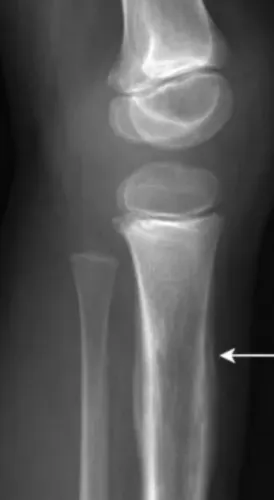
These weakened areas are sometimes described as lytic lesions. They can reduce the structural strength of a bone and increase the likelihood of fracture.
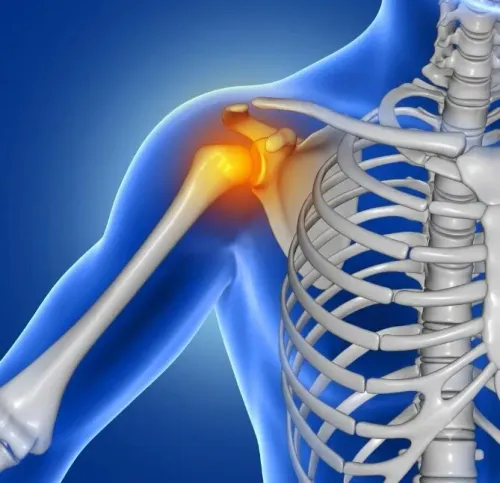
Commonly affected areas can include the spine, ribs, pelvis and long bones.
When Does Bone Pain Need Immediate Attention?
Patients with known myeloma should report new or rapidly worsening skeletal symptoms.
Particular concerns include
- Sudden severe pain
- Inability to bear weight
- New deformity
- Pain after a minor fall
- Progressive pain in a major weight-bearing bone
- New weakness or neurological symptoms
- Loss of mobility
Some of these symptoms can indicate a fracture or significant structural weakening.
What Is a Pathological Fracture?
A pathological fracture occurs when a bone breaks because an underlying disease has weakened it. The trauma involved may be much less than would normally be required to fracture healthy bone.
In myeloma, preventing a predictable fracture can sometimes be preferable to treating one after it happens.
Doctors therefore assess the location and extent of bone destruction, symptoms and mechanical demands on the affected bone.
When Might Surgery Be Considered?
Not every myeloma bone lesion requires an operation. Surgical intervention is generally considered according to the individual mechanical and clinical problem.
Potential reasons can include
- An established pathological fracture
- High concern for an impending fracture
- Significant instability
- Severe mechanical pain
- Loss of function
- Need for stabilization in selected situations
The exact procedure depends on which bone is affected and how much structural support remains.
Fixation devices, prosthetic reconstruction and other techniques can be used in appropriate cases.
How Does Surgery Fit With Cancer Treatment?
Myeloma is a systemic disease. Treating one damaged bone does not treat myeloma throughout the body.
This distinction is important.
Hematology and oncology teams manage the underlying disease with appropriate systemic therapies. Radiotherapy may also be used in selected circumstances. Orthopedic oncology care focuses on skeletal problems that threaten mobility, stability and function.
Coordination between these specialties helps ensure that an operation fits appropriately into the wider cancer-treatment schedule.
Planning Care Around Function
The purpose of skeletal intervention is often practical. A patient may need enough stability to walk safely, transfer independently or use an affected limb with less pain.
The choice of procedure can depend on the patient's overall disease status, expected response to systemic treatment, bone quality and anticipated functional needs.
For people receiving treatment in Mumbai, coordinated care can be particularly useful when hematology treatment, imaging, radiotherapy, surgery and rehabilitation need to occur within a defined timeline.
Dr Mishil Parikh assesses musculoskeletal oncology problems in Mumbai, including cancer-related bone conditions that may require surgical evaluation.
Patients attending a consultation should bring recent scans, previous X-rays, hematology records and current treatment details. This helps determine whether symptoms arise from structural bone weakness and whether surgical stabilization has a meaningful role.
With myeloma, the question is not simply whether a bone lesion exists. The more useful question is whether that lesion threatens stability, mobility or safety. Identifying those risks early can help the treating team plan supportive skeletal care alongside treatment of the underlying disease.
Keywords