Recovery depends on more than removing the tumor: the reconstruction, tissues preserved, chemotherapy, wound healing, and rehabilitation plan all influence when you can walk, work, drive, and exercise. By understanding each phase and the warning signs that need urgent review, you can follow restrictions safely and ask more useful questions about your individual plan.
Key takeaways
- Protect the reconstruction and follow your surgeon’s weight-bearing limit after discharge.
- Progress from safe transfers to walking only under the rehabilitation team’s guidance.
- Seek urgent care for fever, wound drainage, sudden swelling, chest pain or breathlessness.
- Compare limb-sparing and amputation recovery by function, rehabilitation demands and prosthetic needs.
What Happens After Discharge When the Limb Has Been Reconstructed?
After discharge, the first milestone is protecting the reconstruction, not immediate full weight-bearing. Pain medicine, incision care, swelling control, and safe bed-to-chair or toilet transfers come first; keep the limb elevated as instructed and follow the prescribed weight-bearing limit.
- A metal endoprosthesis may permit earlier loading because it provides immediate structural support, but fixation method, tumor location, bone removed, and postoperative X-rays determine the schedule.
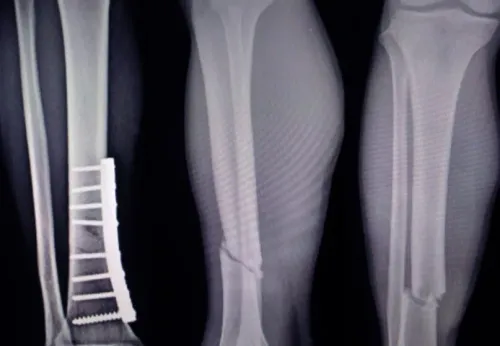
- A bone graft or allograft must unite with the remaining bone. Healing can require months of restricted weight-bearing, with imaging used to check union and fixation.
- Joint reconstruction can require movement limits or a brace. Muscle or soft-tissue reconstruction may restrict stretching while repaired tendons and coverage heal.
- Some resections need no structural reconstruction. Even then, wound healing, muscle loss, nerve effects, and the surgeon’s prescription determine mobility.
The procedure’s name alone cannot set your timetable. Your surgeon’s written plan, follow-up X-rays or other imaging, and changes in pain, swelling, or wound condition do. Do not increase walking because the limb feels comfortable.
For planning notes, the phrase how limb salvage surgery for supports recovery after tumor removal in Mumbai can prompt specific questions: which reconstruction was used, when can weight-bearing begin, and which movements are restricted? Keep physiotherapy, oncology reviews, and imaging appointments coordinated, especially if chemotherapy causes fatigue, nausea, or low blood counts.
How Rehabilitation Progresses From Protected Movement to Walking
Rehabilitation moves from protecting the reconstruction to independent walking, but the pace depends on the muscles, tendons, nerves, bone, and joint affected.
1. Control pain and swelling, protect the incision, and follow dressing and bathing instructions. Keep the wound dry until the surgical team permits showering; use a shower chair rather than standing if balance is poor.
2. Move joints that are not immobilized. A physiotherapist will prescribe gentle range-of-motion exercises without stressing the reconstruction.
3. Practise bed-to-chair and toilet transfers before attempting longer walks. Use the prescribed weight-bearing limit exactly; loading too early can damage fixation, a graft, or healing tissue.
4. Add muscle strengthening, then balance and gait training. A walker or crutches usually comes before a cane, followed by independent walking only when strength, control, and imaging support it.
5. Expect uneven progress after limb salvage surgery in Mumbai. Removing or weakening a muscle, tendon, or nerve can make one task—such as lifting the foot, climbing stairs, or rising from a chair—lag behind others.
6. Milestones usually include dressing independently, managing household tasks, bathing safely, and climbing stairs with a rail. Driving requires adequate leg or arm control, reaction time, pain control, and medical clearance; work and exercise return in stages.
Chemotherapy can add fatigue, nausea, low blood counts, and treatment interruptions. Radiotherapy, wound problems, limited fitness, and travel can extend recovery. Ask for individualized physiotherapy and a written home program, and update it after each treatment change.
Which Symptoms Are Expected, and Which Need Urgent Attention?
Pain, stiffness, swelling, weakness, and fatigue are common after limb salvage surgery. They should gradually settle as the wound heals and rehabilitation progresses; symptoms that worsen instead of easing need prompt advice from the surgical team.
| Symptom pattern | What it may mean | Action |
|---|---|---|
| Expected discomfort | Pain, stiffness, swelling, weakness, and tiredness that slowly improve | Follow the prescribed plan and mention persistent symptoms at review |
| Same-day warning signs | Fever, increasing redness or drainage, wound separation, uncontrolled pain, sudden swelling, numbness, or a cold or pale foot or hand | Contact the surgical team the same day |
| Emergency symptoms | Sudden calf pain with swelling, chest pain, or breathlessness | Seek emergency care; these can indicate a blood clot or pulmonary embolism |
Do not wait for a routine appointment if the wound opens, drainage increases, or pain changes sharply. Infection, wound breakdown, nerve injury, fracture, prosthesis loosening or failure, and joint or limb instability require assessment because early treatment can protect the reconstruction.
A good early recovery does not end follow-up. Long-term surveillance checks for local tumour recurrence, implant problems such as loosening or breakage, and spread to the lungs. Your schedule may include examinations and imaging of the surgical site, reconstruction, and chest, based on the tumour type, grade, stage, treatment, and time since surgery.
How Does Limb-Sparing Recovery Compare With Amputation Recovery?
Limb preservation is not automatically easier or better. The better choice is the operation that removes the tumour safely and leaves you with the most useful, dependable function.
| Option | Potential advantages | Recovery demands and risks |
|---|---|---|
| Limb-sparing surgery | May retain limb length, a joint, sensation, and useful movement | Protected loading can last months; weakness, infection, implant loosening, mechanical wear, fracture, and repeat procedures remain possible |
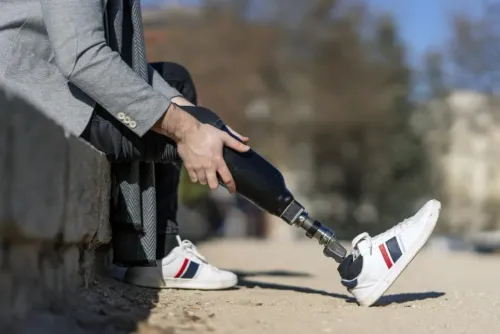
| Amputation | Removes the diseased segment and may provide more predictable healing or tumour control when margins would leave a nonfunctional limb | Requires residual-limb care, prosthesis training, balance work, and adaptation to altered sensation and higher energy demands |
Limb-sparing surgery recovery in Mumbai can be prolonged by chemotherapy, wound problems, travel, or limited access to a sarcoma-experienced physiotherapist. An endoprosthesis may permit earlier loading, while a graft or allograft must unite before full weight-bearing; neither option is maintenance-free.
The decision should weigh:
- Tumour margins and whether major nerves or blood vessels are involved.
- Expected walking, hand use, endurance, and pain after reconstruction versus amputation.
- Reconstruction risks, including infection, fracture, implant failure, and revision surgery.
- Your general health, rehabilitation support, work demands, and personal goals.
Ask the surgical team to compare expected function, complications, and follow-up for both options. A preserved limb that cannot be used effectively may serve you less well than a well-fitted prosthesis.
What Should You Confirm Before and During Recovery in Mumbai?
Ask for a written recovery plan before discharge. Do not infer the schedule from “limb salvage” alone; the fixation, tumor location, bone removed, reconstruction, and postoperative imaging determine what you can do.
- Which reconstruction is planned: endoprosthesis, bone graft or allograft, joint reconstruction, soft-tissue reconstruction, or no reconstruction?
- When can you begin partial or full weight-bearing?
- Which movements, joint positions, lifting, or transfers are restricted?
- Who supervises physiotherapy during chemotherapy, and who covers missed sessions?
- Which symptoms require same-day contact?
- When will imaging check the surgical site, implant or graft, and lungs?
| Reconstruction | Recovery planning |
|---|---|
| Endoprosthesis | Loading may progress earlier, but infection, loosening, wear, breakage, instability, and revision remain possible. |
| Bone graft or allograft | Restricted weight-bearing can last months while bone union develops. |
| Soft-tissue or joint reconstruction | Protect repaired muscles, tendons, or joint movement according to the surgeon’s specific limits. |
Protect the incision, take prescribed medicines, eat enough protein and calories, attend physiotherapy, and follow the written home programme. Never change weight-bearing instructions independently.
Contact the team the same day for fever, increasing redness or drainage, wound separation, uncontrolled pain, sudden swelling, numbness, or a cold or pale hand or foot; seek emergency care for chest pain or breathlessness.
The final pathology report confirms diagnosis, grade, treatment response, and margin status. A close or involved margin can change further treatment and surveillance. Keep every oncology and surgical appointment.
For coordinated planning, Dr Mishil Parikh can help you discuss reconstruction, expected function, rehabilitation continuity, and follow-up with the treating team during limb salvage recovery in Mumbai.
Related service
Limb Salvage Surgery also known as limb-sparing surgery, is a procedure performed to remove a tumor or manage a severe injury in a limb while preserving the limb itself. View service → |
Frequently asked questions
What happens after discharge when the limb has been reconstructed?
Protect the reconstruction first. Follow the prescribed weight-bearing limit, take pain medicine as directed, care for the incision, control swelling and practise safe bed-to-chair or toilet transfers.
How does rehabilitation progress from protected movement to walking?
Rehabilitation usually begins with safe positioning, transfers and prescribed exercises. Your team then advances movement, partial weight-bearing and walking when the reconstruction, wound and muscle strength meet their criteria.
Which symptoms after limb salvage surgery need urgent attention?
Contact your surgical team urgently for fever, worsening redness, pus or other wound drainage, sudden swelling, uncontrolled pain, a cold or pale foot, new numbness or weakness. Seek emergency care for chest pain or breathlessness.
How does limb-sparing recovery compare with amputation recovery?
Limb-sparing recovery focuses on protecting the reconstruction and restoring movement in the remaining limb. Amputation recovery includes wound healing, residual-limb care, contracture prevention and prosthetic training; the timeline depends on the operation and individual function.
What should you confirm before and during recovery in Mumbai?
Confirm your weight-bearing limit, wound-care instructions, medicines, follow-up date, physiotherapy plan, emergency contact and transport arrangements. Ask which hospital to contact after hours and how quickly to report changes.
Keywords