
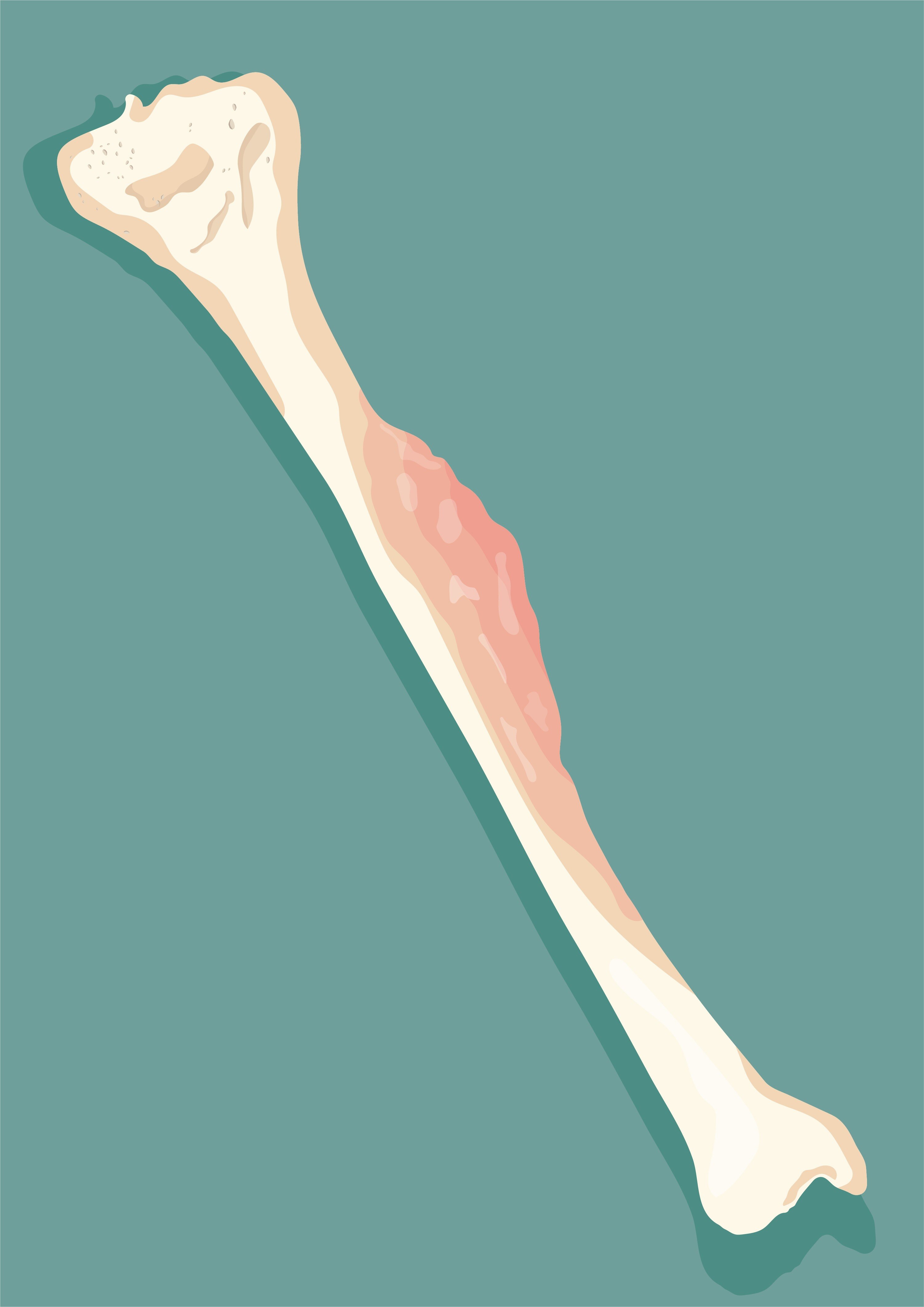
Persistent bone pain, a growing swelling, an unexplained limp, or a fracture after a minor injury deserves more attention when it does not follow the expected recovery pattern. By the end, you will know which symptoms need a routine medical assessment, which require urgent care, and what information and examination findings guide the next step.
Key takeaways
- Seek evaluation for bone pain lasting weeks or worsening despite rest.
- Night pain or pain at rest deserves medical assessment.
- Urgent care is needed for weakness, numbness, paralysis, or a suspected fracture.
- Ask what the imaging finding means and whether specialist review is needed.
Which bone symptoms warrant a medical evaluation?
Book an appointment if persistent bone pain lasts several weeks, keeps returning despite rest or routine treatment, or becomes progressively worse. Bone pain at night or pain at rest deserves assessment rather than repeated self-treatment.
| Symptom pattern | What to do | Why it matters |
|---|---|---|
| Persistent or worsening bone pain | Arrange medical evaluation | Infection, stress injury, arthritis, and tumors can cause it |
| New or enlarging lump, or localized swelling | Arrange evaluation promptly | A growing mass may involve bone or nearby soft tissue |
| Reduced joint movement or unexplained limping | Arrange evaluation | Pain or a lesion can interfere with normal movement |
| Fracture after minor trauma | Seek prompt assessment | The underlying bone may be weakened by a pathologic fracture |
A visible lump is not required. Some bone lesions lie deep and are not visible or easy to feel early, so persistent symptoms matter more than pain intensity alone.
Unexplained weight loss, fever, fatigue, or night sweats need more attention when they occur with focal bone pain, swelling, or a fracture. These symptoms do not diagnose cancer by themselves.
New focal bone symptoms also warrant a lower threshold for assessment if you have previously had breast, prostate, lung, kidney, or thyroid cancer, because those cancers can spread to bone.
Seek urgent care for sudden severe pain with inability to bear weight, rapidly worsening back pain, or back or neck pain with new weakness, numbness, difficulty walking, or loss of bladder or bowel control.
How can possible tumor pain differ from a strain, arthritis, or growing pains?
A muscle strain or sports injury usually follows a clear event and starts improving with rest, activity modification, and appropriate treatment. Reassess it if pain recurs, began without an identifiable injury, causes swelling or loss of function, or fails to improve as expected.
| Pattern | More consistent with a common cause | Needs further medical evaluation |
|---|---|---|
| Muscle strain or sports injury | Pain follows a specific movement, impact, or training increase and gradually settles | Pain persists for several weeks, returns after rest, worsens, or occurs without a clear injury |
| Arthritis | Pain and stiffness centre on a joint and often relate to movement or prolonged inactivity | Focal tenderness directly over a bone, a new lump, swelling, or steadily worsening pain |
| Possible bone lesion | Pain remains localized, progresses, occurs at rest, or wakes you at night | Arrange an examination; these features are concerning but can also result from infection, stress injury, or other conditions |
| Growing pains | Intermittent limb aches in a child without a limp, swelling, or reduced activity | Persistent refusal to use an arm or leg, a limp, or pain near the knee or shoulder should not be dismissed as growing pains |
A previous injury does not prove that it caused a tumor. It can simply draw attention to a pre-existing lesion when pain or swelling appears after the injury. In a child or adolescent, ongoing pain with reduced limb use deserves prompt assessment even when the child cannot describe its location clearly.
When do bone or back symptoms require urgent assessment?
Go to emergency care for sudden severe bone pain with inability to bear weight, or for back or neck pain accompanied by neurological changes. These patterns require prompt assessment, not a standard appointment.
- Suspected fracture after a minor force, such as a fall that would not normally break a healthy bone, needs evaluation for a pathological fracture and the underlying bone.
- New limb weakness or numbness, difficulty walking, or loss of bladder or bowel control with back or neck pain requires emergency assessment to exclude spinal cord or nerve compression.
- Rapidly worsening back pain warrants urgent evaluation, even without other neurological symptoms.
Arrange a prompt medical assessment for persistent or progressively worsening pain, especially pain at rest or pain that wakes you at night. Pelvic or hip pain deserves attention when it changes your walking, causes a limp, or limits leg movement.
Use a lower threshold for assessment if you have previously had breast, prostate, lung, kidney, or thyroid cancer and develop new focal back or bone pain. These cancers can spread to bone; that is metastatic disease rather than a new primary bone cancer, and the distinction affects testing and treatment.
Weight loss, fever, fatigue, or night sweats are nonspecific alone. Combined with localized pain, swelling, or a fracture, they strengthen the case for timely evaluation.
What will a clinician ask and examine before ordering imaging?
A clinician does not treat one sign as proof of cancer. The clinical examination combines your history with findings from the painful area and nearby joints, muscles, nerves, and blood vessels.
- Expect questions about when the pain began, whether it is progressing, and whether it wakes you at night.
- Report any injury, fever, unexplained weight loss, previous cancer, and medicines you take.
- Describe changes in walking, weight-bearing, or use of the affected arm or leg.
- The examination may check for focal bone tenderness, swelling, or a firm fixed mass.
- The clinician may assess reduced range of motion, a difference in limb length, and changes in your gait.
- For pain near the spine or pelvis, the examination may include weakness, altered sensation, reflex changes, or other neurological deficits.
These findings can lead to an X-ray or other imaging, but they do not identify cancer by themselves. Infection, stress injury, osteoporosis, arthritis, benign tumors, and referred pain from another area can produce similar symptoms.
A normal examination or plain radiograph does not always end the evaluation. If symptoms continue or remain strongly suspicious, your clinician may arrange repeat imaging, MRI, CT, or other tests to investigate an occult fracture or lesion.
Record changes in pain, swelling, movement, and function so you can report whether the problem is improving or worsening.
What should you do when imaging finds a suspicious bone lesion?
An abnormal scan is a reason to organize the next step, not a cancer diagnosis. Do not book a biopsy or arrange removal of the lesion on your own.
A suspicious bone lesion needs review by an orthopedic oncology team, which can match MRI and CT imaging with your symptoms and decide whether you need observation, additional imaging, or tissue sampling.
| Choice | What it involves | Why planning matters |
|---|---|---|
| Planned biopsy | The team selects the needle path and coordinates imaging, pathology, and surgery | The biopsy tract can be placed where it can be removed during definitive surgery |
| Unplanned biopsy | A procedure is arranged without the treating tumor team’s input | The tract may contaminate extra tissue planes and complicate limb-sparing treatment |
| Unplanned excision | The mass is removed as though it were an ordinary lump | Residual tumor or contaminated tissue may require a wider second operation |
Ask the imaging centre to provide the full reports and image files for specialist review. A benign tumor, infection, inflammatory condition, stress injury, or other explanation remains possible, so referral is about accurate diagnosis and safe treatment planning—not proof that you have cancer.
In Mumbai, Dr Mishil Parikh provides musculoskeletal oncology and orthopedic tumor surgery care for patients needing specialist assessment of bone, soft-tissue, pelvic, or other musculoskeletal tumors. A specialist review helps prevent a rushed procedure from narrowing later treatment options.
Related services
Sarcoma / Musculoskeletal / Orthopaedic Oncology Bone Sarcoma, Benign Bone Tumor Bone sarcoma and benign bone tumors are two distinct types of bone conditions. 1. View service → |
Metastatic Spine disease also known as spinal metastasis or metastatic spinal tumor. The symptoms of metastatic spine disease can vary depending on the location and extent of... View service → |
Frequently asked questions
Which bone symptoms warrant a medical evaluation?
Arrange an evaluation for bone pain lasting several weeks, recurring despite treatment, worsening over time, or occurring at night or at rest. Swelling, a new lump, reduced movement, or an unexplained fracture also needs review.
How can possible tumor pain differ from a strain, arthritis, or growing pains?
Tumor-related pain can persist without a clear injury, worsen over time, occur at rest or at night, and fail to improve with routine measures. Pain patterns alone cannot confirm or exclude a tumor.
When do bone or back symptoms require urgent assessment?
Seek urgent assessment for severe sudden pain, inability to bear weight, a suspected fracture, new weakness or numbness, loss of bladder or bowel control, or difficulty walking.
What will a clinician ask and examine before ordering imaging?
The clinician will ask when the pain began, how it behaves, whether you had an injury, and whether you have swelling, fever, weight loss, or previous cancer. They will examine movement, tenderness, strength, sensation, reflexes, and any mass.
What should you do when imaging finds a suspicious bone lesion?
Ask which scan found it, where the lesion is, what features make it suspicious, and what test comes next. Request review by an orthopedic oncology or musculoskeletal tumor specialist before biopsy or treatment.
Related services
Myeloma Myeloma specifically involves abnormal plasma cells that accumulate in the bone marrow and interfere with the production of normal blood cells. |
Pathological Fracture A pathological fracture, also known as a pathologic fracture, is a type of bone fracture that occurs as a result of an underlying disease or... View service → |