Bone cancer is a rare condition, but recognizing its early warning signs can make a significant difference in diagnosis and treatment outcomes. Many people initially mistake the symptoms for sports injuries, arthritis, or muscle strain, leading to delays in seeking medical care. While not every persistent bone pain is cancer, understanding when symptoms require specialist evaluation is essential.
For patients and families in Mumbai and across Maharashtra, awareness of bone cancer symptoms can help ensure timely diagnosis and access to advanced treatment options.
What Is Bone Cancer?
Bone cancer occurs when abnormal cells develop within the bone and grow uncontrollably. It may begin in the bone itself (primary bone cancer) or spread from another part of the body (secondary or metastatic bone cancer).
Primary bone cancers include conditions such as:
- Osteosarcoma
- Chondrosarcoma
- Ewing Sarcoma
Each type behaves differently and requires a carefully planned treatment approach.
Common Symptoms of Bone Cancer
The symptoms often develop gradually and may worsen over time. Some of the most common warning signs include:
Persistent Bone Pain
Pain is usually the earliest symptom. Unlike ordinary muscle soreness, bone cancer pain:
- Persists for weeks or months
- May worsen at night
- Gradually becomes more intense
- Does not improve with rest
Initially, the pain may come and go, but it often becomes constant as the disease progresses.
Swelling Around the Bone
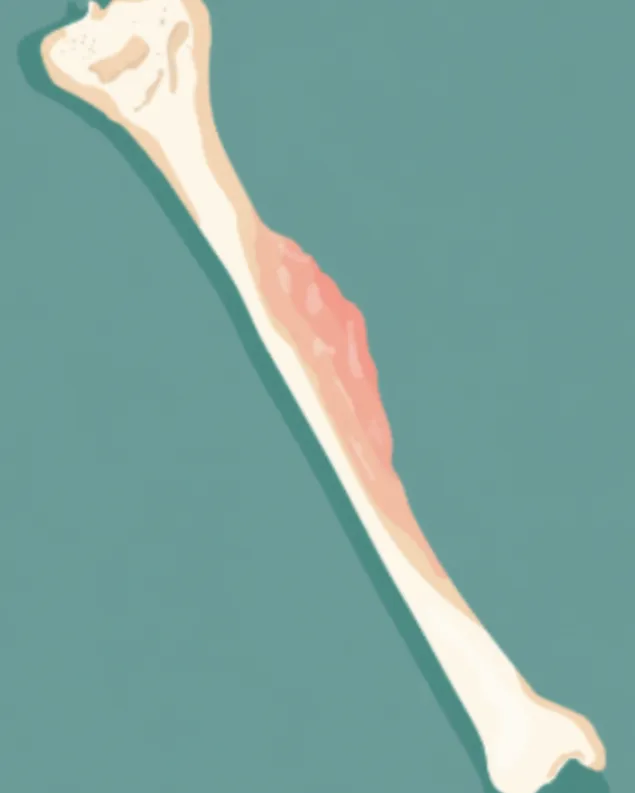
A noticeable swelling or lump may develop near the affected bone.
This swelling can:
- Feel firm
- Become painful when touched
- Limit movement if located near a joint
In some cases, swelling appears only after the tumor has grown significantly.
Reduced Joint Movement
When a tumor develops near a joint, it may reduce flexibility and make everyday activities uncomfortable.
Patients may experience:
- Difficulty bending the knee
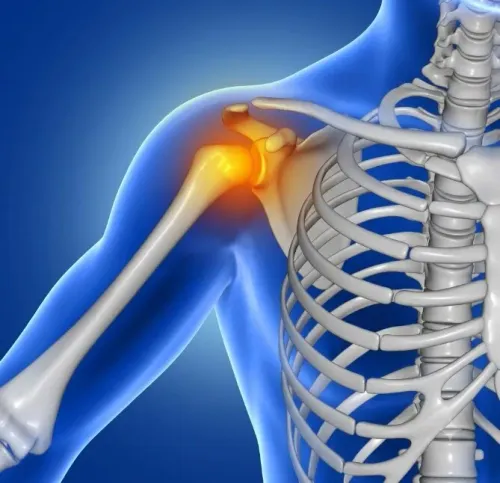
- Limited shoulder movement
- Pain while walking
- Difficulty climbing stairs
Unexplained Fractures
Bone tumors weaken the normal structure of the bone.
As a result, some individuals suffer fractures after minor falls or even routine daily activities. These are known as pathological fractures and require immediate medical assessment.
Less Common Symptoms
Although less frequent, some patients may also notice:
- Fatigue
- Unexplained weight loss
- Fever
- Night sweats
- General weakness
These symptoms usually appear in more advanced stages and should not be ignored when combined with persistent bone pain.
Who Is at Higher Risk?
Bone cancer can affect people of all ages, but certain groups have a higher risk.
Risk factors include:
- Previous radiation therapy
- Certain inherited genetic conditions
- Rapid bone growth during adolescence
- Some rare bone disorders
However, many patients diagnosed with bone cancer have no identifiable risk factors.
When Should You See a Specialist?
Many people delay evaluation because they assume the pain will disappear on its own.
You should seek specialist consultation if:
- Bone pain lasts longer than three weeks
- Pain becomes progressively worse
- A lump develops near a bone
- A fracture occurs without significant injury
- Pain repeatedly wakes you at night
Early assessment often helps identify whether symptoms are related to cancer or another orthopedic condition.
How Is Bone Cancer Diagnosed?
Diagnosing bone cancer involves several steps rather than relying on a single test.
A specialist may recommend:
- Detailed medical history and physical examination
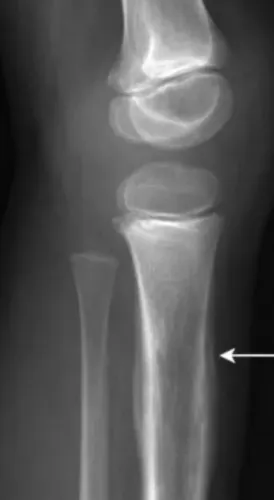
- Digital X-rays
- MRI scans
- CT scans
- PET scans when appropriate
- Bone biopsy for definitive diagnosis
A biopsy remains the most reliable way to confirm the exact type of bone cancer.
Why Early Diagnosis Matters
Modern advances in musculoskeletal oncology have significantly improved treatment outcomes.
Early diagnosis can help:
- Preserve limb function
- Reduce the complexity of surgery
- Improve recovery
- Increase treatment success
- Minimize complications
Many patients who once required amputation may now be candidates for limb-preserving procedures because of advances in surgical techniques.
Treatment Is Personalized
Every bone cancer is different. Treatment depends on several factors, including:
- Type of tumor
- Stage of disease
- Location of the cancer
- Patient's age
- Overall health
Treatment may involve surgery, chemotherapy, radiation therapy, or a combination of these approaches.
Specialists trained in musculoskeletal oncology coordinate treatment with radiologists, pathologists, medical oncologists, and rehabilitation experts to achieve the best possible outcomes.
Finding Expert Care in Mumbai
Patients diagnosed with suspected bone cancer often benefit from evaluation by a dedicated musculoskeletal oncology specialist. Dr. Mishil Parikh focuses on the diagnosis and surgical management of bone tumors and related conditions, helping patients receive treatment plans tailored to their specific diagnosis. Additional information about available services and treatment approaches can also be found through the practice's website, mskonco.com, as part of understanding available care options.
Recognizing the warning signs early and seeking expert assessment can make a meaningful difference in treatment planning, recovery, and long-term quality of life.
Keywords