Mumbai’s rain does not automatically make tumour surgery unsafe, but flooding can disrupt scans, admission, discharge and follow-up. You will learn how to distinguish a medically necessary delay from a transport problem, prepare the hospital and surgical team, and protect the wound before and after the operation.
Key takeaways
- Do not postpone cancer surgery because of monsoon without your treating team’s advice.
- Complete staging, imaging, blood tests, anaesthesia review and medical clearance before booking.
- Confirm hospital backup plans for power, infection control, transport and flood-related disruptions.
- Seek urgent help for fever, spreading redness, wound drainage, severe pain or numbness.
Does Mumbai monsoon weather require you to postpone limb salvage surgery?
The southwest monsoon itself is not a standard contraindication to tumour resection or reconstruction. The decision depends on clinical readiness and cancer urgency, not the calendar month. Searching for “limb salvage surgery for during monsoon in mumbai” should not lead you to delay assessment or treatment without the treating team’s approval.
Treatment timing may depend on:
- Tumour urgency and biopsy results
- Response to chemotherapy and the planned treatment interval
- Blood counts, including recovery after chemotherapy
- Kidney and heart fitness for anaesthesia and treatment
- An active infection that needs control before surgery
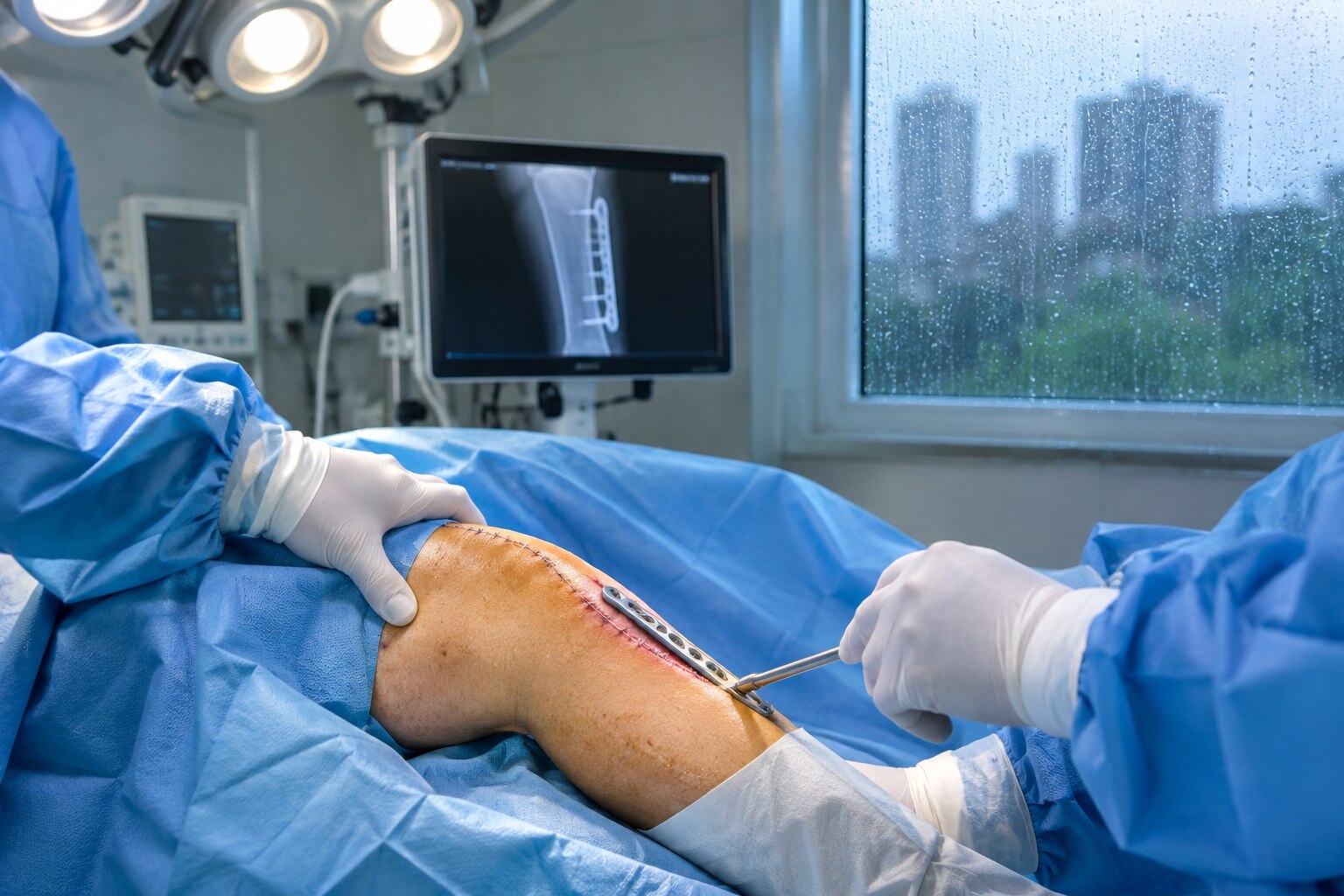
- Reconstruction planning, including implants, grafts or muscle and vessel coverage
A medically necessary delay protects you from operating with uncontrolled infection, unsafe blood counts or inadequate organ function. A weather-related delay is different: flooded roads, cancelled trains, airport disruption or an inaccessible hospital can make admission, discharge or emergency care unsafe. Ask the hospital for an alternative date and travel plan rather than cancelling silently.
Do not wait for the rain to end before evaluating a new lump, persistent bone pain, a fracture through abnormal bone or a suspicious scan. Limb salvage can preserve the limb, but it may involve complex reconstruction, lengthy rehabilitation, infection, non-union, implant failure, local recurrence or later surgery.
Preserving the limb does not guarantee normal movement or function; the safest option depends on the tumour and reconstruction outlook.
What must be completed before booking the operation?
A booking decision follows a defined work-up, not the weather forecast. Complete these steps:
1. Meet an orthopaedic oncology specialist and review the pathology report and biopsy slides. The team that may perform definitive surgery should plan the biopsy, because its tract must lie where it can later be removed with the tumour. A poorly placed tract can require wider resection or prevent limb-sparing surgery.
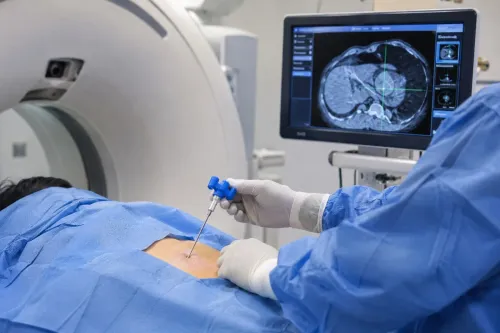
2. Obtain a local MRI of the tumour and assess whether nerves or major blood vessels are involved.
3. Complete staging scans, usually a chest CT for possible lung spread, plus other scans indicated by the tumour type.
4. Finish pre-anaesthesia testing, including blood counts, kidney function, heart assessment and infection checks.
5. Have the case reviewed by the multidisciplinary team, including surgical, medical and radiation oncology, radiology, pathology, anaesthesia and rehabilitation specialists.
For bone cancer surgery during monsoon in mumbai, chemotherapy may come before or after surgery. The operation date can depend on tumour response, blood counts and the planned treatment interval, not rainfall.
Ask these questions before confirming:
- What surgical margin and structures should be expected?
- What reconstruction material or implant will be used?
- What are the weight-bearing limits?
- How long will rehabilitation take?
- How many operations are likely?
- What happens if reconstruction becomes infected or fails?
Acceptable delay differs by tumour type, grade, treatment response and operative plan. The treating team must approve every rescheduling.
How do you choose the surgical team and confirm monsoon readiness?
“Limb salvage surgeon in Mumbai” is not a separate, uniform legal specialty title. Ask for documented orthopaedic-oncology or musculoskeletal-tumour training, regular sarcoma resection and reconstruction experience, and a team involving pathology, radiology, medical and radiation oncology, plastic or vascular surgery, anaesthesia and rehabilitation.
Compare consultations on evidence, not the word “salvage”:
| Feature | What to confirm |
|---|---|
| Training | Musculoskeletal-tumour or orthopaedic-oncology training is documented |
| Experience | Regular sarcoma resections and reconstruction, not occasional cases |
| Teamwork | Named pathology, imaging, oncology, plastic or vascular, anaesthesia and rehabilitation contacts |
| Contingency | A written plan for flooding, cancellation, admission and follow-up disruption |
Before booking, ask the hospital to confirm:
- Backup power and operating-room continuity
- Intensive-care access and blood-bank arrangements
- Infection-control procedures for complex reconstruction
- Working lift access, ambulance entry and an alternate route during flooding
- Who reschedules a cancelled admission
- How missed imaging or physiotherapy appointments are replaced
- Whether a 24-hour surgical contact exists
A consultation with Dr Mishil Parikh, compared with other Mumbai specialists, is easier to assess when the plan identifies these people, decisions and fallback arrangements clearly. Ask what happens if rain blocks admission, discharge or rehabilitation; a hospital’s logistical plan matters as much as the surgeon’s operative plan.
Your treating multidisciplinary team must approve any delay.
Related service
Limb Salvage Surgery also known as limb-sparing surgery, is a procedure performed to remove a tumor or manage a severe injury in a limb while preserving the limb itself. View service → |
How should you protect the wound and travel during wet weather?
Rain does not by itself make a sterile operating theatre unsafe. For a search such as “limb salvage surgery monsoon in mumbai,” the practical concern is keeping the wound dry and reaching care safely through flooding, traffic or cancelled transport.
The relevant infection risk is surgical-site infection, not “monsoon infection.” Risk relates to operation duration and complexity, implants or allografts, diabetes, smoking, anaemia, poor nutrition, immunosuppression and breaks in sterile care. Rain does not replace these established surgical risks.
1. Cover the dressing with a clean waterproof outer barrier during travel. Do not let it remain damp; call the surgical team if it becomes soaked, dirty, loose or displaced.
2. Do not remove or replace a postoperative dressing at home unless the team specifically instructs you. Arrange replacement through the surgical unit.
3. Before discharge, ask whether you need a wheelchair, stretcher or medical transport, how many people should assist with vehicle transfers, and how to support the limb without pressing on the wound.
4. Coordinate follow-up imaging, wound reviews and rehabilitation around waterlogged-road risks. Do not silently miss an appointment; call the unit and obtain a revised plan.
5. Ask for the hospital’s direct contact if travel fails. A delayed journey is a transport problem, while infection risk still requires the team’s planned surveillance.
What symptoms require urgent help if flooding disrupts follow-up?
Do not wait for a routine review if you develop signs of infection, bleeding, a clot or sudden loss of function after limb salvage surgery. Flooded roads or a cancelled appointment do not make these symptoms safe to ignore.
Seek urgent help for:
- Fever, using the written fever threshold supplied by your oncology or surgical team
- Increasing redness or warmth around the wound
- Pus or a foul smell
- Wound separation
- Uncontrolled pain
- New loss of limb function
- Calf swelling
- Chest pain or shortness of breath
If you receive chemotherapy or other immune-suppressing treatment, follow your team’s written fever instructions and use the 24-hour oncology or surgical contact. Do not wait for the next outpatient appointment.
Use this contingency plan:
- Call the surgical team immediately, describe each symptom, and give your current location.
- Contact local emergency services for breathing difficulty, chest pain, severe bleeding, collapse or rapidly worsening symptoms.
- If flooding or a power outage makes the treating hospital inaccessible, ask the surgical team where to go.
- Carry your operation summary, medication list, allergy information and contact numbers.
- Do not attempt a long, unsafe journey without medical advice.
A weather delay must be agreed with the multidisciplinary team, not decided by you alone.
Frequently asked questions
Does Mumbai monsoon weather require postponing limb salvage surgery?
No. Monsoon weather alone is not a standard contraindication to tumour resection or reconstruction. Your cancer urgency, medical fitness, hospital preparedness and safe travel plan determine timing.
What must be completed before booking limb salvage surgery?
Complete tumour staging, required MRI or CT imaging, biopsy review, blood tests, anaesthesia assessment and medical clearance. Ask the team which reports must be current before scheduling.
How do you choose a surgical team and confirm monsoon readiness?
Choose a team experienced in musculoskeletal tumour surgery and reconstruction. Confirm hospital backup for power, infection control, inpatient care, emergency transport and appointments disrupted by flooding.
How should you protect the wound and travel during wet weather?
Keep dressings clean and dry, follow bathing instructions, use covered transport and avoid walking through floodwater. Carry medicines, discharge papers and emergency contact numbers.
Which symptoms require urgent help if flooding disrupts follow-up?
Contact the surgical team urgently for fever, increasing redness or swelling, wound drainage, wound separation, uncontrolled pain, new numbness, a cold or pale limb, chest pain or breathing difficulty.
Keywords