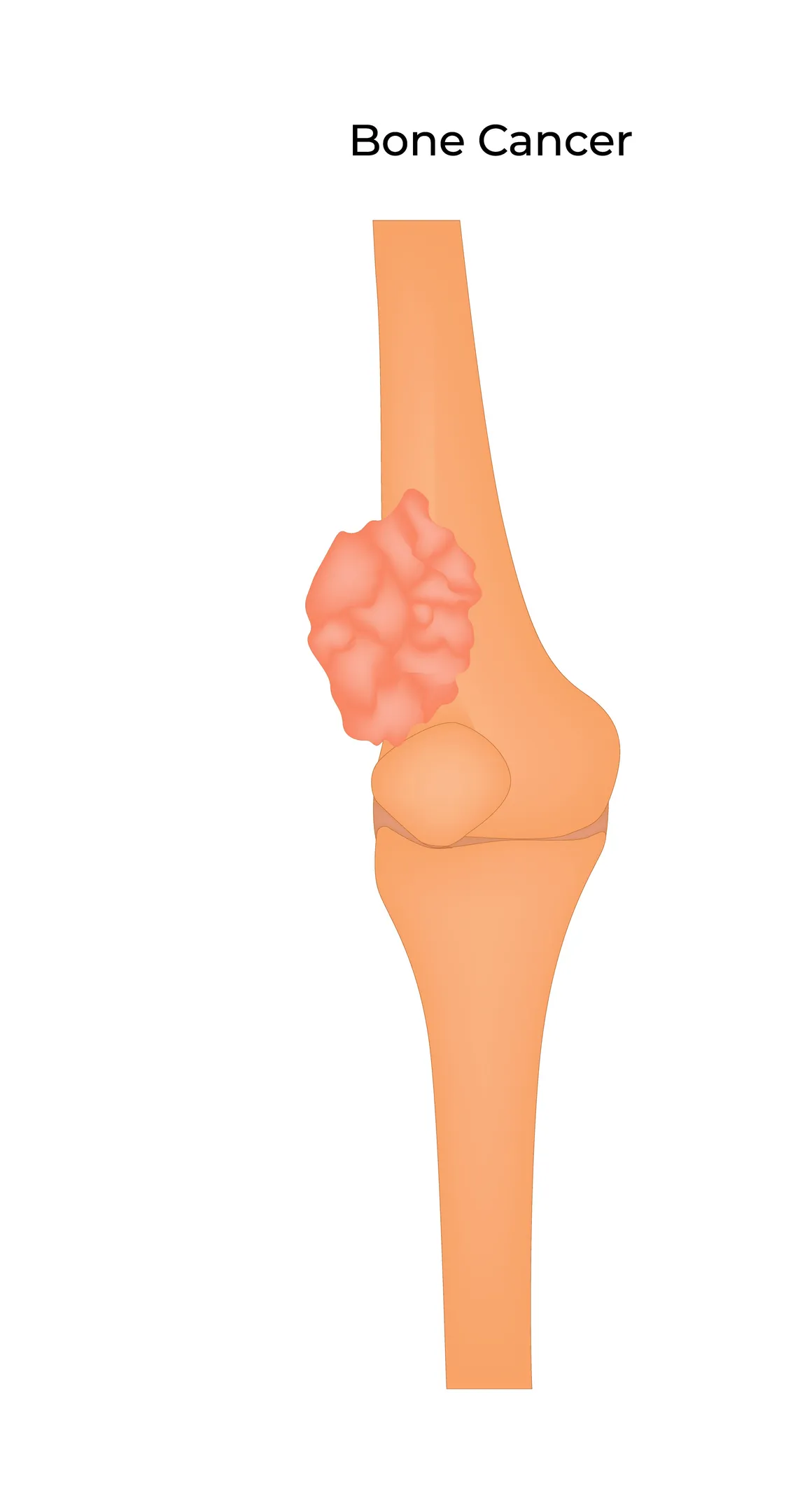
A diagnosis of Bone Cancer can leave patients and families facing several important decisions in a short period of time. One of the most critical is choosing the right specialist to guide diagnosis, treatment, surgery, and long-term recovery. Because bone cancer is relatively rare, it requires expertise that goes beyond routine orthopedic care.
Selecting a specialist with experience in musculoskeletal oncology helps ensure that every stage of treatment—from diagnosis to rehabilitation—is carefully planned and based on current medical evidence.
Why Specialist Experience Matters
Bone cancers such as Osteosarcoma, Chondrosarcoma, and Ewing Sarcoma often require highly specialized treatment. These conditions involve complex surgical planning, coordination with cancer specialists, and long-term follow-up.
Unlike common orthopedic conditions, bone cancer treatment focuses on:
- Complete removal of the tumor
- Preserving limb function whenever possible
- Preventing recurrence
- Supporting recovery through rehabilitation
A specialist who routinely manages these conditions understands the unique challenges associated with each diagnosis.
Qualities to Look for in a Bone Cancer Specialist
When choosing a specialist, consider the following factors.
Dedicated Expertise
Look for a surgeon who focuses specifically on:
- Bone tumors
- Soft tissue sarcomas
- Limb Salvage Surgery
- Orthopaedic oncology
- Bone reconstruction
Focused expertise often translates into greater familiarity with complex cases and evolving treatment techniques.
Multidisciplinary Approach
Successful treatment usually involves collaboration between multiple healthcare professionals, including:
- Medical oncologists
- Radiologists
- Pathologists
- Radiation oncologists
- Plastic surgeons
- Physiotherapists
A multidisciplinary team ensures that every aspect of your care is coordinated.
Experience With Complex Surgery
Bone cancer surgery may involve:
- Tumor removal
- Joint reconstruction
- Bone grafting
- Custom implants
- Limb Salvage Surgery
Ask whether the specialist regularly performs these procedures and discusses reconstruction options before surgery.
Questions to Ask During Your Consultation
Preparing questions before your appointment can help you better understand your diagnosis and treatment plan.
Consider asking:
- What type of bone cancer do I have?
- Has the diagnosis been confirmed with a biopsy?
- Is Limb Salvage Surgery an option for me?
- Will I need chemotherapy or radiation therapy?
- What are the expected outcomes?
- What risks should I be aware of?
- How long will rehabilitation take?
Clear communication helps patients make informed decisions with greater confidence.
Why Accurate Diagnosis Comes First
Before deciding on treatment, the diagnosis must be precise.
Specialists typically review:
- X-rays
- MRI scans
- CT scans
- PET scans when indicated
- Pathology reports
- Biopsy findings
In some situations, additional testing may be recommended before finalizing the treatment plan.
Rehabilitation Is Part of Treatment
Recovery continues long after surgery.
A comprehensive rehabilitation program may include:
- Physiotherapy
- Muscle strengthening
- Balance training
- Joint mobility exercises
- Regular follow-up imaging
The goal is to restore independence while monitoring long-term recovery.
Importance of Individualized Treatment
Every bone cancer case is different.
Treatment recommendations depend on:
- Tumor type
- Tumor size
- Location
- Cancer stage
- Patient age
- General health
- Response to chemotherapy, if required
Personalized treatment planning helps balance cancer control with long-term function and quality of life.
Choosing Expert Care in Mumbai
Patients looking for specialized musculoskeletal oncology care often benefit from consulting surgeons dedicated to bone and soft tissue cancers. Dr. Mishil Parikh provides comprehensive evaluation and treatment for bone tumors, sarcomas, and related orthopedic cancers using an evidence-based, multidisciplinary approach. Patients can also explore educational resources on mskonco.com to better understand treatment pathways before making healthcare decisions.
Choosing the right bone cancer specialist is not simply about selecting a surgeon—it is about finding an experienced team that can provide accurate diagnosis, thoughtful treatment planning, advanced surgical care, and long-term support throughout recovery.
Keywords