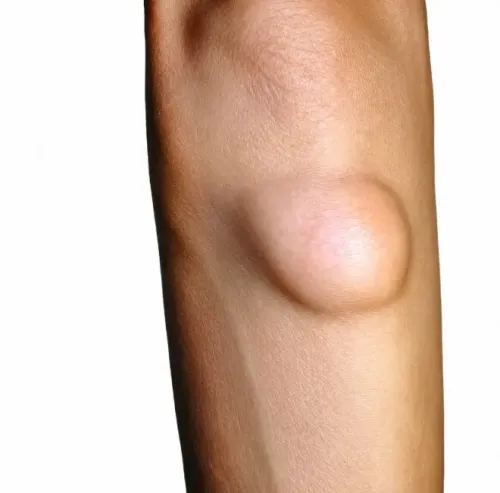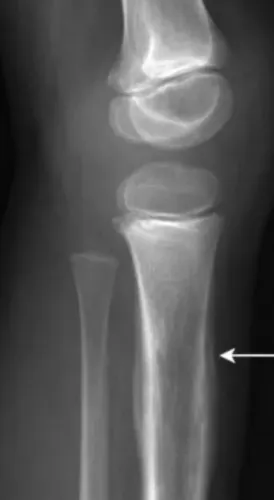
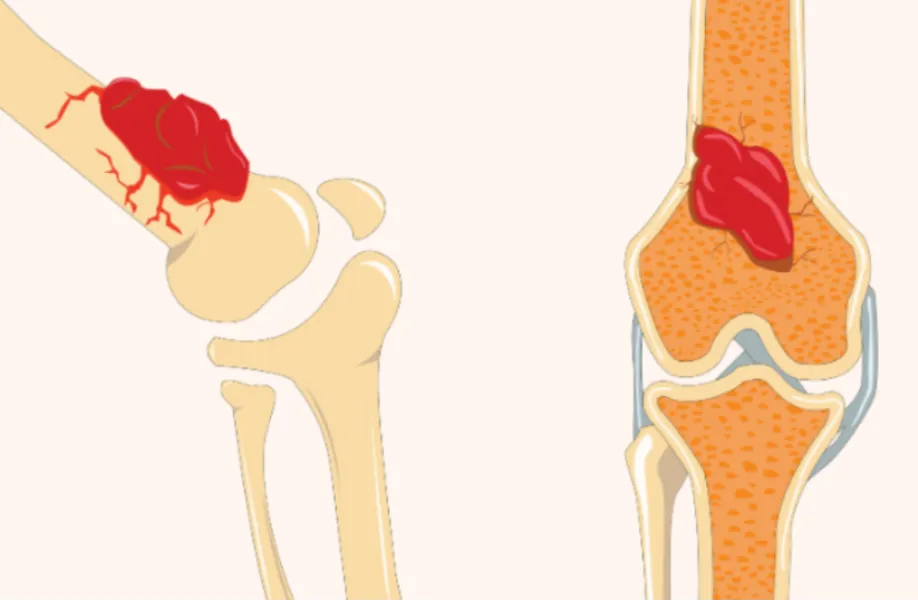
A lump in the arm, leg, trunk or another part of the body is often benign. Lipomas, cysts and other non-cancerous conditions are common. Yet some unexplained masses can represent soft tissue sarcoma, a group of cancers arising from tissues such as muscle, fat, fibrous tissue and related structures.
The challenge is knowing which lumps need further investigation and how they should be evaluated.
Which Lumps Deserve Closer Attention?
A mass should not be judged only by whether it hurts. Some soft tissue sarcomas are painless, especially early in their development.
Features that may prompt further assessment include a lump that
- Continues to enlarge
- Feels deep rather than superficial
- Returns after previous removal
- Becomes increasingly firm
- Causes pressure symptoms
- Interferes with movement
- Produces unexplained persistent pain
- Has concerning features on imaging
Size can also influence clinical concern, but smaller lesions should not automatically be dismissed if other suspicious features are present.
Why Imaging Usually Comes Before Treatment
When a mass is clinically suspicious, imaging can help determine its size, depth and relationship with surrounding structures.
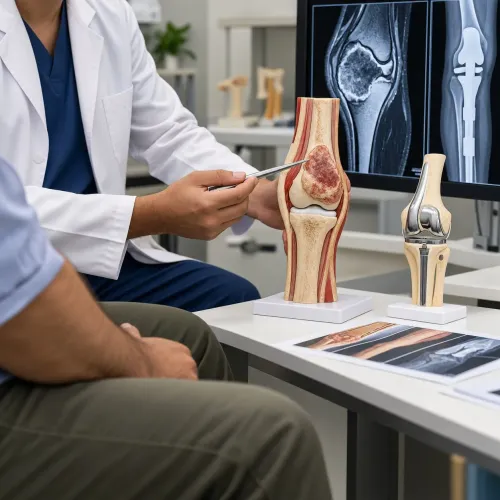
MRI is particularly useful for many soft-tissue tumors because it can demonstrate involvement around muscles, nerves, blood vessels and joints.
Imaging does not always reveal exactly what type of tumor is present. It helps doctors determine whether further investigation, including biopsy, is appropriate.
Why an Unplanned Lump Removal Can Create Problems
A common mistake is assuming that every lump should simply be removed first and tested afterward.
For an ordinary superficial benign lesion, straightforward excision may be appropriate. A suspected sarcoma requires different planning.
When a malignant mass is removed without appropriate preoperative assessment, the surgical margins may be inadequate and the operative field may become contaminated with tumor cells. Additional surgery may then be required to obtain appropriate clearance.
This is why suspicious masses should ideally be evaluated before excision.
What Happens During Biopsy?
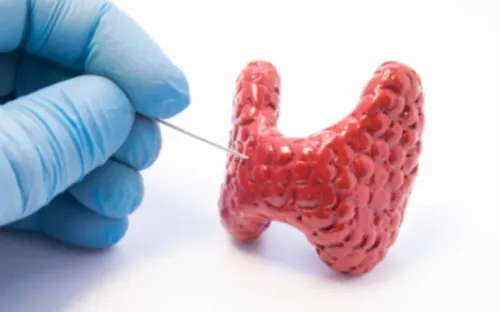
A needle biopsy can obtain a small tissue sample for examination. The sample is assessed by a pathologist to identify the nature of the lesion.
The biopsy route is planned so that it does not unnecessarily compromise future definitive surgery.
Once pathology establishes soft tissue sarcoma, further investigations may be used to determine the extent of disease.
What Determines the Treatment Plan?
Soft tissue sarcoma includes many different tumor subtypes. Treatment therefore depends on several factors, including
- Histological diagnosis
- Tumor grade
- Size
- Depth
- Anatomical location
- Relationship with important structures
- Stage of disease
- Patient's overall condition
Surgery is important for many localized soft tissue sarcomas. Radiotherapy and systemic treatment may also have roles depending on the individual case.
Can Function Be Preserved?
When a sarcoma affects an arm or leg, treatment planning considers both cancer clearance and limb function.
The surgeon evaluates whether the tumor can be removed while retaining important nerves, blood vessels, muscles and joints. Reconstruction may sometimes be required after tumor removal.
Modern sarcoma surgery aims to achieve appropriate oncological margins while maintaining useful function whenever safely possible.
Finding the Right Evaluation Path in Mumbai
Mumbai patients may encounter soft-tissue masses through orthopedic consultations, general surgery visits, routine imaging or incidental findings. When the lesion appears suspicious, early referral for musculoskeletal oncology assessment can help keep biopsy and definitive surgery within one coordinated plan.
Dr Mishil Parikh provides evaluation in Mumbai for patients with suspected and diagnosed bone and soft-tissue tumors.
The most important step with a concerning lump is not rushing into removal. It is establishing what the mass is, defining its extent and planning any biopsy in a way that supports later treatment. That structured approach can prevent avoidable complications and give patients a clearer path from diagnosis to definitive care.
Keywords