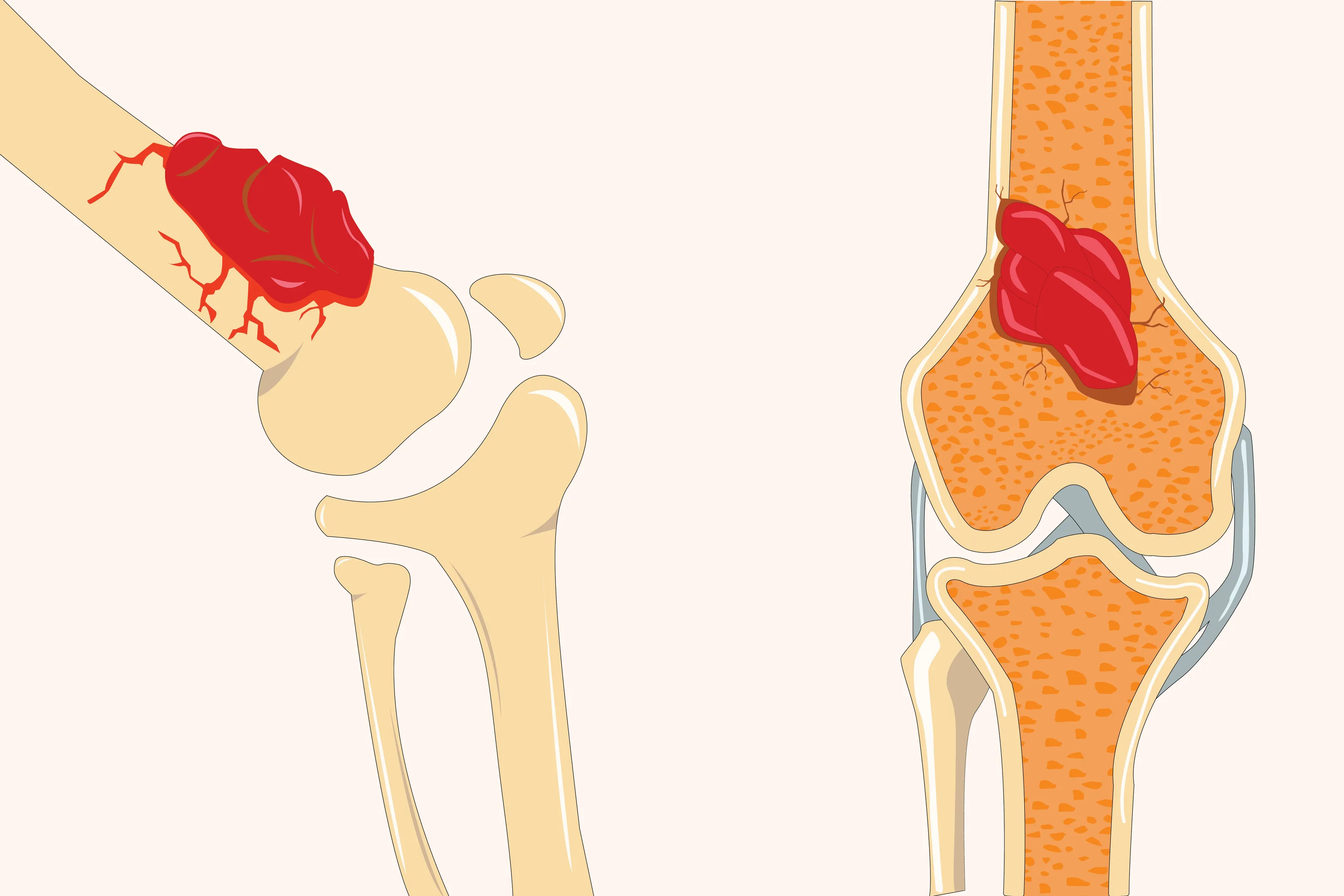
Soft Tissue Sarcoma is a rare group of cancers that develop in the body's muscles, fat, tendons, nerves, blood vessels, or connective tissues. Because these tumors often grow silently without causing immediate pain, many people do not seek medical attention until the mass becomes noticeably larger.
Understanding the warning signs and knowing when to consult a specialist can lead to earlier diagnosis and more effective treatment.
For individuals in Mumbai and surrounding regions, awareness of Soft Tissue Sarcoma is especially important because early intervention frequently allows for less extensive surgery and improved long-term outcomes.
What Is Soft Tissue Sarcoma?
Soft Tissue Sarcoma refers to a collection of cancers that originate in the body's soft tissues rather than the bones.
These tumors may occur almost anywhere but are most commonly found in the:
- Arms
- Legs
- Thighs
- Abdomen
- Chest wall
- Shoulder region
There are many different subtypes, each requiring a personalized treatment approach.
Early Warning Signs
Unlike many other cancers, Soft Tissue Sarcoma often develops without obvious symptoms.
Some of the most common warning signs include:
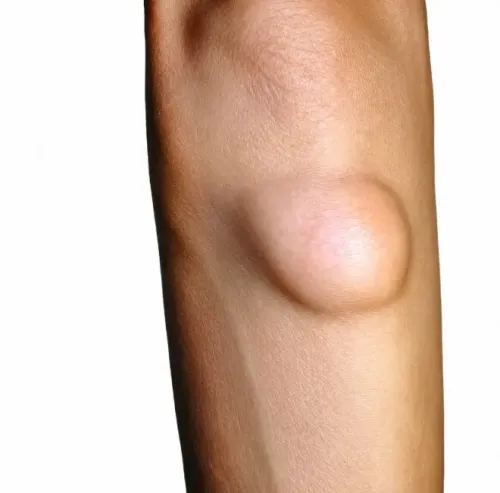
- A painless lump that gradually increases in size
- Swelling beneath the skin
- Pain if the tumor presses on nearby nerves or muscles
- Difficulty moving a limb
- Persistent discomfort without a clear cause
Any lump larger than five centimeters or one that continues to grow should be assessed by a specialist.
Are All Lumps Cancerous?
The answer is no.
Most soft tissue lumps are non-cancerous and may include:
- Lipomas (fatty lumps)
- Cysts
- Benign fibrous growths
- Muscle injuries
However, it is impossible to determine whether a lump is harmless based solely on appearance or touch. Imaging and, when necessary, a biopsy are essential for an accurate diagnosis.
Who Is More Likely to Develop Soft Tissue Sarcoma?
Although Soft Tissue Sarcoma is rare, certain factors may increase the risk.
These include:
- Previous radiation therapy
- Certain inherited genetic disorders
- Long-standing swelling of the limbs
- Exposure to specific industrial chemicals in rare cases
Many patients diagnosed with Soft Tissue Sarcoma have no identifiable risk factors.
Diagnosis Requires Careful Planning
A specialist evaluation generally involves several steps.
These may include:
- Clinical examination
- Ultrasound in selected cases
- MRI scan
- CT scan if required
- Biopsy to confirm the diagnosis
Performing a biopsy correctly is extremely important because it helps guide surgery while minimizing unnecessary complications.
Treatment Options
Treatment depends on the type, size, grade, and location of the tumor.
Management may involve:
Surgery
Surgical removal with an adequate margin of healthy tissue remains the primary treatment for many Soft Tissue Sarcomas.
Radiation Therapy
Radiation may be used before or after surgery to lower the risk of local recurrence.
Chemotherapy
Some high-grade sarcomas respond well to chemotherapy, while others may not require it. Treatment recommendations are based on the specific subtype and stage.
Can Limbs Be Preserved?
One of the biggest concerns patients have is whether they will lose the affected arm or leg.
Fortunately, advances in orthopedic oncology have made limb-preserving surgery possible in many cases.
With careful planning, surgeons can often remove the tumor while reconstructing affected tissues and maintaining function.
Each case is evaluated individually to balance cancer control with quality of life.
Why Specialist Evaluation Matters
Soft Tissue Sarcoma is uncommon, and treatment decisions are often complex. Early referral to a musculoskeletal oncology specialist helps ensure accurate diagnosis and appropriate treatment planning from the beginning.
Dr. Mishil Parikh provides specialized care for bone and soft tissue tumors in Mumbai, with a focus on evidence-based treatment and multidisciplinary collaboration. Patients looking to understand more about Soft Tissue Sarcoma, diagnostic pathways, and available surgical options can also find helpful information through mskonco.com.
Ignoring a persistent or enlarging lump can delay diagnosis. Seeking expert evaluation when symptoms first appear gives patients the best opportunity for effective treatment, functional preservation, and long-term recovery.
Keywords