Osteosarcoma is the most common primary bone cancer, particularly affecting children, teenagers, and young adults. Although it is considered a rare disease, early recognition and specialist treatment have greatly improved survival rates and functional outcomes over the years.
Families facing an osteosarcoma diagnosis often have many questions about symptoms, diagnosis, surgery, and recovery. Understanding the condition helps patients make informed decisions and seek timely treatment from experienced specialists.
What Is Osteosarcoma?
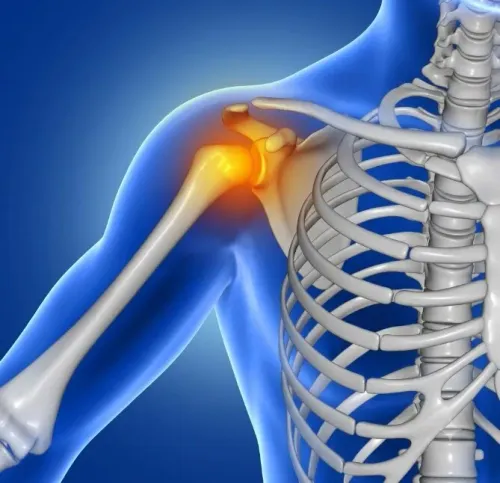
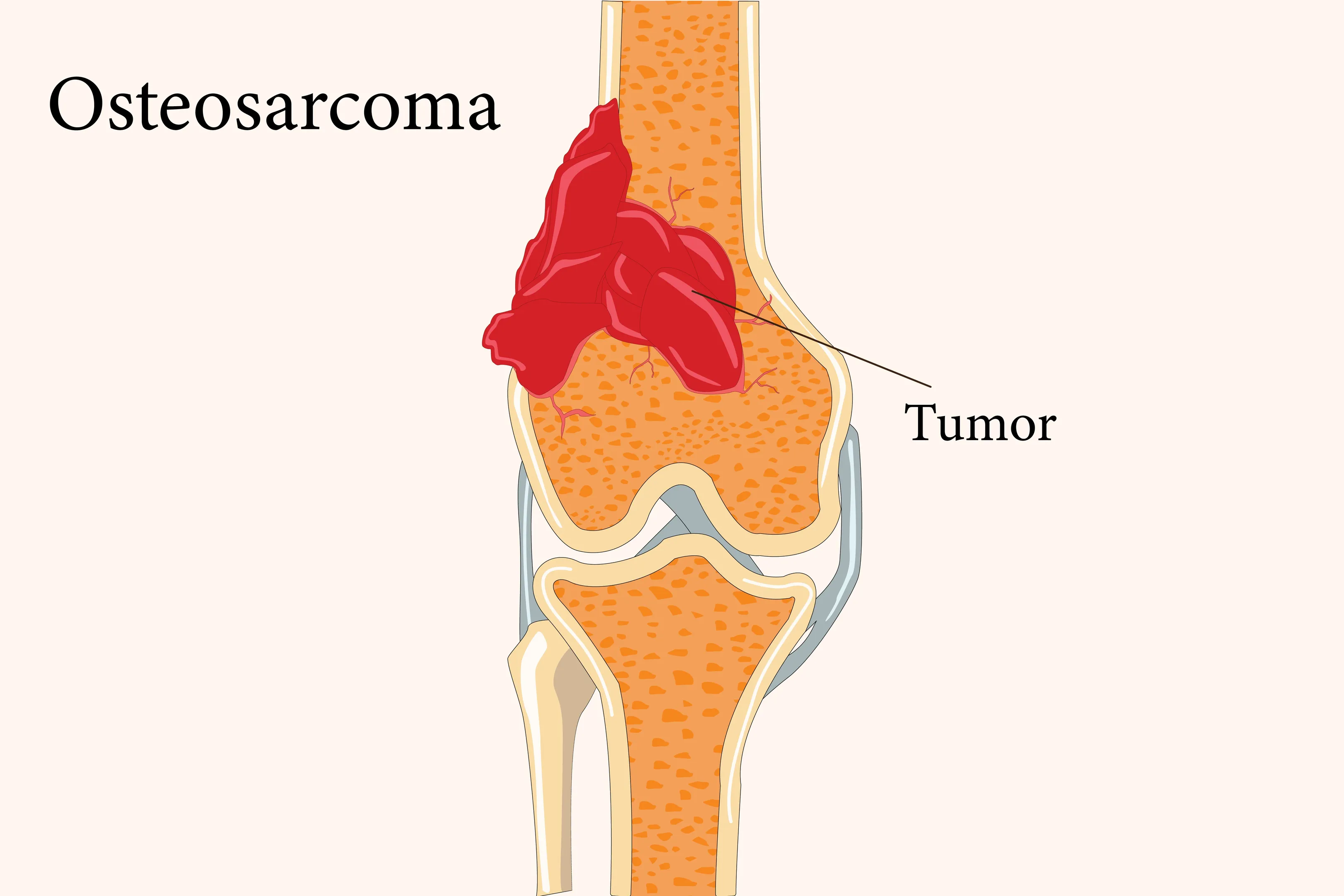
Osteosarcoma is a cancer that begins in the cells responsible for forming new bone. It most commonly develops around rapidly growing bones, especially near the:
- Knee
- Lower thigh bone (femur)
- Upper shin bone (tibia)
- Upper arm bone (humerus)
Although it mainly affects younger individuals, adults can also develop osteosarcoma.
Early Symptoms of Osteosarcoma
The condition usually develops gradually.
Common symptoms include:
- Persistent bone pain
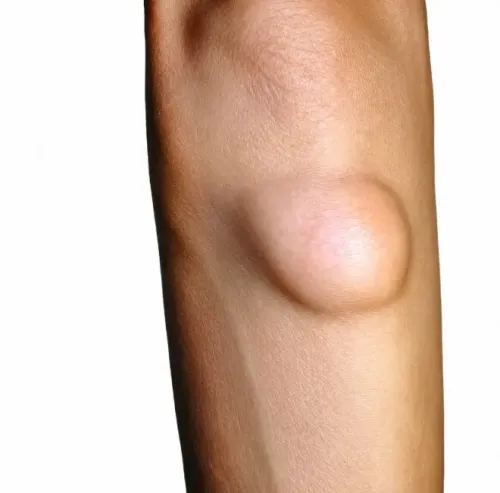
- Swelling around the affected area
- Pain during physical activity
- Reduced joint movement
- Limping if the leg is affected
Many patients initially believe they have suffered a sports injury, delaying medical evaluation.
Unlike muscle injuries, osteosarcoma pain often becomes more severe over time rather than improving.
Why Does Osteosarcoma Occur?
The exact cause remains unknown.
Researchers believe it may be associated with changes in bone-forming cells during periods of rapid growth. Certain inherited conditions and previous radiation exposure may also increase the risk in some individuals.
Most patients, however, have no identifiable cause.
How Is Osteosarcoma Diagnosed?
Accurate diagnosis requires careful evaluation.
The process generally includes:
- Clinical examination
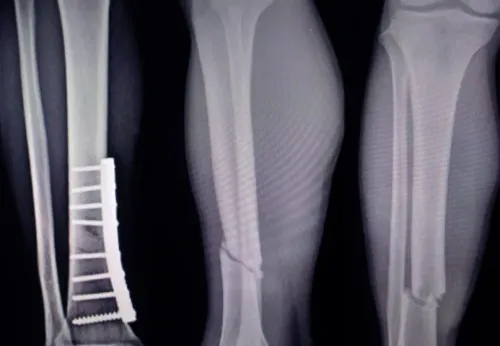
- X-rays
- MRI scan
- CT scan of the chest
- Bone scan or PET scan when indicated
- Image-guided or surgical biopsy
The biopsy confirms both the diagnosis and the specific characteristics of the tumor, helping doctors determine the most appropriate treatment strategy.
Is Surgery Always Necessary?
In most cases, surgery forms the main part of treatment.
The primary goal is to remove the tumor completely while preserving as much healthy tissue and function as possible.
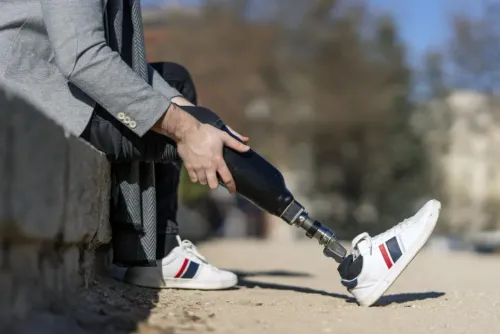
Modern orthopedic oncology has transformed surgical care, allowing many patients to avoid amputation through advanced limb preservation techniques.
What Is Limb Salvage Surgery?
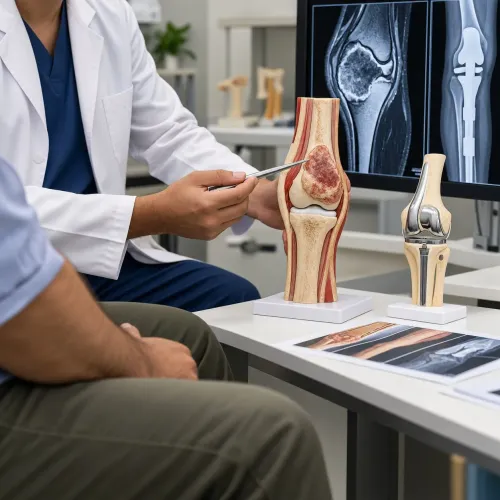
Limb Salvage Surgery involves removing the cancer while reconstructing the affected bone and surrounding structures.
Depending on the location of the tumor, reconstruction may involve:
- Metallic implants
- Bone grafts
- Custom prostheses
- Biological reconstruction techniques
This approach aims to maintain mobility and improve long-term quality of life whenever medically appropriate.
Is Chemotherapy Required?
Most osteosarcoma patients receive chemotherapy before and after surgery.
Chemotherapy helps:
- Shrink the tumor before surgery
- Destroy microscopic cancer cells
- Reduce the risk of recurrence
- Improve long-term survival
The exact treatment schedule depends on individual clinical findings and the response to therapy.
Recovery After Treatment
Recovery varies from patient to patient.
Rehabilitation often includes:
- Physiotherapy
- Muscle strengthening
- Walking training
- Joint mobility exercises
- Regular imaging follow-up
Returning to normal activities may take several months, but structured rehabilitation plays an important role in regaining independence.
Why Specialist Care Makes a Difference
Osteosarcoma treatment involves complex decision-making. Managing these tumors requires coordination between orthopedic oncologists, medical oncologists, radiologists, pathologists, physiotherapists, and rehabilitation teams.
Patients in Mumbai increasingly seek specialized musculoskeletal oncology services because these multidisciplinary teams are experienced in treating rare bone cancers while focusing on both cancer control and long-term function.
Choosing the Right Evaluation
Every osteosarcoma case is unique. Factors such as tumor size, location, age, and overall health influence treatment recommendations. Dr. Mishil Parikh provides specialized evaluation for bone tumors and osteosarcoma, helping patients understand available treatment options based on their individual diagnosis. Educational resources and information about musculoskeletal oncology are also available through mskonco.com for those seeking reliable guidance before beginning treatment.
With early diagnosis, carefully planned surgery, modern chemotherapy protocols, and comprehensive rehabilitation, many patients with osteosarcoma today can achieve successful treatment outcomes while maintaining an active and fulfilling life.
Keywords