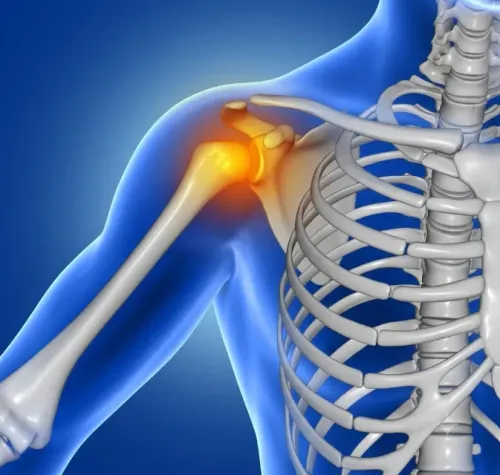
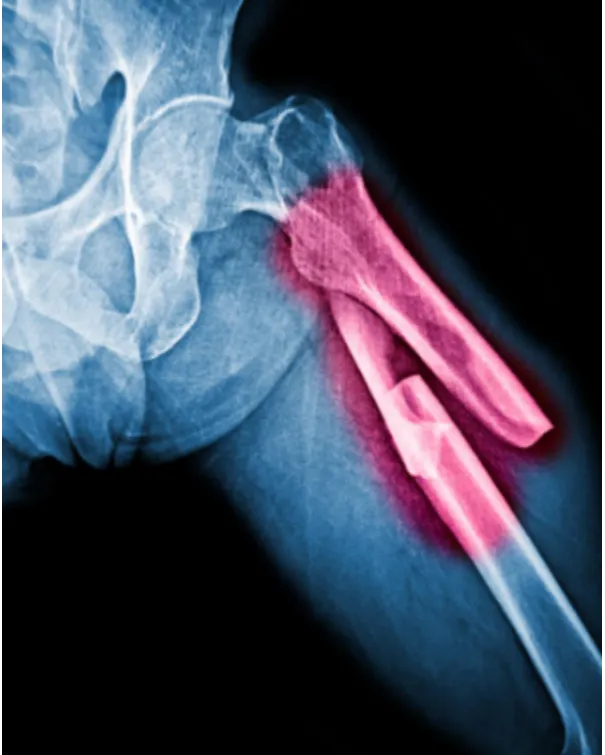
A broken bone is usually associated with a fall, sports injury, or accident. However, some fractures occur after only a minor bump or even during routine daily activities. These are known as Pathological Fractures, and they often indicate that the bone has been weakened by an underlying condition rather than a significant injury.
Although osteoporosis is a common cause of weakened bones, pathological fractures may also result from bone tumors, metastatic cancer, myeloma, or other bone disorders. Identifying the cause early is essential because treatment involves more than simply repairing the fracture.
For patients in Mumbai and across Maharashtra, consulting a specialist when an unusual fracture occurs can lead to earlier diagnosis and more appropriate treatment.
What Is a Pathological Fracture?
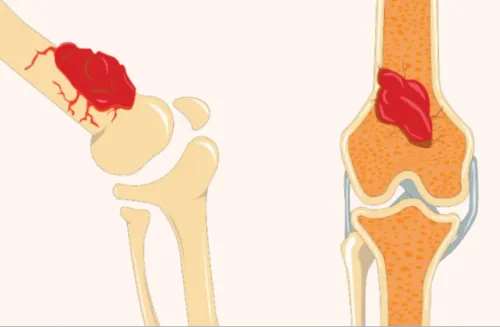
A pathological fracture occurs when a bone breaks because it has been weakened by disease rather than excessive force.
Unlike a healthy bone, which generally fractures after significant trauma, a diseased bone may break during simple activities such as:
- Walking
- Climbing stairs
- Lifting light objects
- Standing up from a chair
- Minor slips or low-impact falls
The fracture is often the first sign that an underlying condition exists.
What Causes Pathological Fractures?
Several medical conditions can weaken bones enough to increase fracture risk.
Common causes include:
- Bone tumors
- Metastatic bone disease
- Multiple myeloma
- Benign bone cysts
- Osteoporosis
- Certain metabolic bone disorders
Among these, cancers involving the bone require urgent specialist evaluation because the treatment plan differs significantly from routine fracture management.
Warning Signs Before the Fracture
In many cases, patients experience symptoms before the bone actually breaks.
These may include:
- Persistent bone pain
- Pain that gradually worsens
- Swelling around the affected area
- Difficulty bearing weight
- Pain at night
- Reduced movement near a joint
Ignoring these symptoms may delay diagnosis of the underlying condition.
How Is the Cause Diagnosed?
Treating the fracture alone is not enough. Doctors first need to determine why the bone became weak.
Evaluation may include:
- Physical examination
- X-rays
- MRI scan
- CT scan
- Bone scan or PET-CT when indicated
- Blood investigations
- Biopsy if a bone tumor is suspected
Accurate diagnosis ensures that both the fracture and the underlying disease are managed appropriately.
Why Treatment Is Different
A standard fracture usually heals with immobilization or surgery.
A pathological fracture often requires treatment of both:
- The broken bone
- The condition responsible for weakening it
Depending on the diagnosis, treatment may include:
- Surgical stabilization
- Tumor removal
- Limb Salvage Surgery
- Chemotherapy
- Radiation therapy
- Medications to strengthen bone
Every treatment plan is individualized based on the patient's condition.
Can Patients Return to Normal Activities?
Many patients recover well following appropriate treatment.
Recovery generally includes:
- Physiotherapy
- Gradual weight-bearing
- Strengthening exercises
- Pain management
- Regular follow-up imaging
The rehabilitation program depends on the location of the fracture and the underlying diagnosis.
Why Early Evaluation Matters
Delaying assessment after an unusual fracture may allow an underlying disease to progress.
Prompt evaluation helps:
- Identify hidden bone cancers
- Prevent additional fractures
- Improve treatment planning
- Preserve mobility
- Reduce complications
Early diagnosis is particularly important when the fracture is related to a bone tumor or metastatic disease.
Specialized Care for Complex Bone Conditions in Mumbai
Pathological fractures often require the expertise of specialists experienced in orthopedic oncology and complex bone reconstruction. Dr. Mishil Parikh evaluates and treats fractures caused by bone tumors, metastatic disease, and other musculoskeletal conditions, ensuring that both the fracture and its underlying cause are addressed. Patients can also find educational information about these conditions through mskonco.com to better understand the diagnostic and treatment process.
A pathological fracture should never be considered 'just another broken bone.' Identifying the reason behind the fracture is the key to effective treatment, better recovery, and protecting long-term bone health.
Keywords