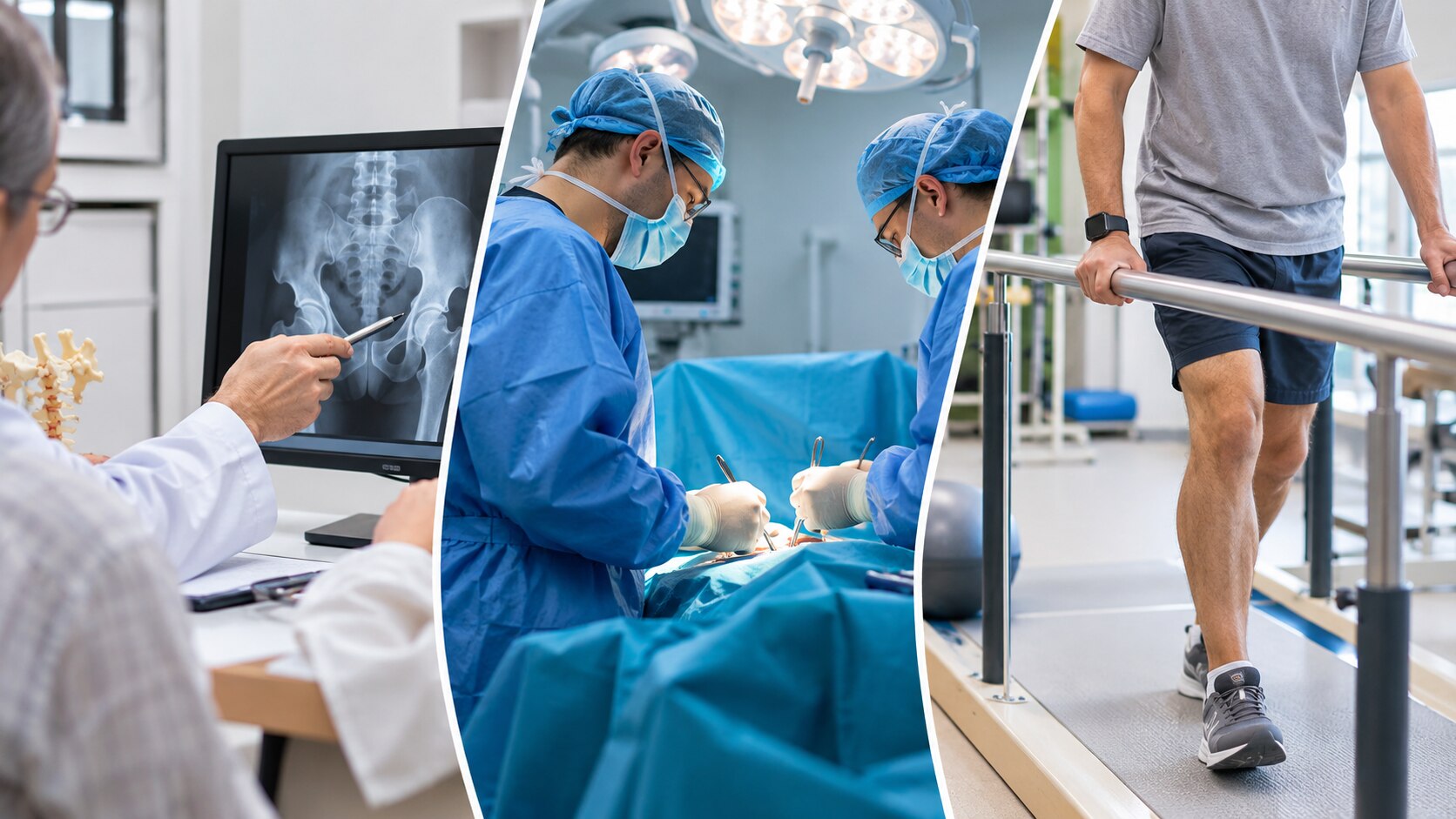
A myeloma-related bone problem can involve anything from severe pain and a weakened long bone to a fracture, spinal instability, or nerve compression. You will learn how the team confirms the problem, decides between surgery and other treatments, prepares you safely, performs the operation, and monitors recovery afterward.
Key takeaways
- Report weakness, numbness, sudden pain, or bowel and bladder changes urgently.
- Surgery depends on fracture risk, instability, nerve pressure, pain, and myeloma activity.
- Bring medication records, scan reports, and details of previous cancer treatment.
- Recovery plans cover wound care, movement limits, pain control, and follow-up imaging.
What happens at the first consultation?
The first consultation determines whether your problem is mechanical, neurological, or mainly active myeloma. The referral records the exact bone involved, pain, walking or arm use, sudden loss of function, numbness, weakness, and bowel or bladder changes. The team also asks about previous fractures, chemotherapy, radiotherapy, steroids, and bone-directed medicines.
| Problem type | Findings reviewed | What it may change |
|---|---|---|
| Mechanical | Pain with loading, deformity, fracture, or loss of function | Need for stabilisation or fracture prevention |
| Neurological | Weakness, numbness, altered reflexes, or bowel and bladder changes | Urgency of spine imaging, decompression, or stabilisation |
| Active myeloma | New lesion, widespread disease, or changing laboratory results | Systemic treatment, radiotherapy, biopsy, or surgery |
The surgeon examines the limb or spine, checks circulation and nerve function, and reviews existing X-rays, CT or MRI scans, blood counts, kidney function, calcium, and other laboratory results. Haematology, radiology, radiation oncology, pathology, anaesthesia, and rehabilitation specialists may join the discussion. This coordinated review forms the early myeloma orthopedic surgery steps.
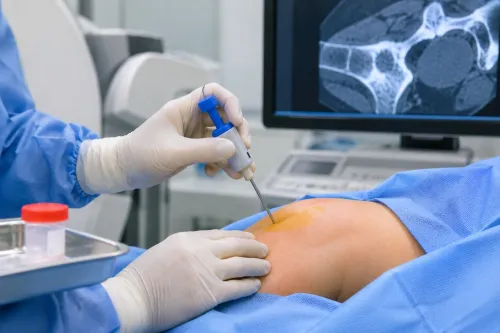
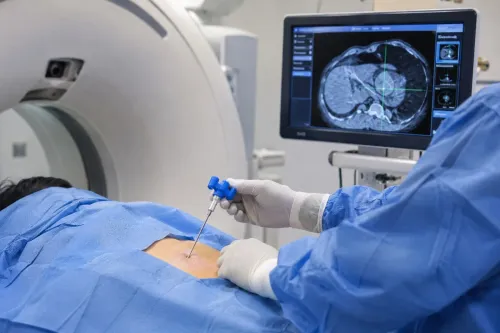
A biopsy is not automatically repeated when confirmed myeloma has a typical lesion. A new, solitary, atypical, or uncertain lesion may need tissue before definitive fixation. If biopsy is planned, the surgeon chooses the route so the biopsy tract can be removed during later surgery rather than interfering with reconstruction.
How do doctors decide whether surgery is necessary?
Doctors recommend surgery when the bone or spine has become mechanically unsafe, not simply because myeloma appears on a scan. The main triggers are:
- An established pathological fracture
- Severe mechanical pain or loss of function
- A high-risk lesion in a weight-bearing bone
- Spinal instability
- Spinal-cord or nerve compression
- A destructive lesion that needs reconstruction to be managed safely
The team compares myeloma fracture surgery with other options before choosing an operation.
| Option | What it does | When it applies |
|---|---|---|
| Systemic anti-myeloma treatment | Treats disease throughout the body | Active myeloma without urgent mechanical danger |
| Radiotherapy | Reduces local tumour and pain | Painful disease without unstable bone or completed fracture |
| Pain control and observation | Monitors symptoms while avoiding an operation | Stable lesions with manageable pain |
| Fracture-prevention measures | Reduces loading and supports weak bone | High-risk areas that do not yet require fixation |
| Surgery | Stabilises bone, reconstructs loss, or relieves compression | Fracture, instability, severe mechanical pain, or neurological compromise |
Imaging answers different surgical questions:
- Whole-body low-dose CT finds bone destruction and additional weak areas.
- X-rays show alignment and fracture details.
- CT defines three-dimensional bone loss.
- MRI assesses marrow, painful vertebral lesions, epidural extension, and nerve or cord compression.
- PET-CT shows metabolically active disease and treatment response.
A myeloma fracture differs from an ordinary traumatic fracture because tumour may fill the bone, bone stock is poor, other lesions may exist, and bleeding risk matters. Normal healing may not provide enough strength for fixation alone. Waiting for a complete fracture can make reconstruction and rehabilitation harder.
That is the central reason what happens during myeloma for bone surgery begins with stability, not just pain.
What preparation happens before admission and anaesthesia?
Before admission, blood tests establish whether surgery is safe. A complete blood count identifies anaemia, low platelets, and infection signals; creatinine and other kidney-function tests guide fluids, medicines, and contrast decisions; calcium testing detects hypercalcaemia; and clotting tests help plan bleeding management.
The team checks for fever, dental infection, skin or urinary infection, dehydration, heart disease, lung disease, and your fitness for anaesthesia. Haematology may correct anaemia, raise platelet levels, treat high calcium, address renal problems, arrange blood products, or adjust chemotherapy, steroids, radiotherapy, and bone-directed treatment timing.
Your medication review must include anticoagulants, antiplatelet drugs, bisphosphonates, and denosumab. Do not stop any medicine without explicit instructions. Myeloma, immobility, and some treatments increase thromboembolism risk, so the surgical and haematology teams agree on thromboprophylaxis before surgery.
The practical myeloma orthopedic surgery steps are confirmed before you arrive:
1. Follow the fasting window and receive exact instructions for medicines on the morning of surgery.
2. Arrange transport home and an adult who can support you after discharge.
3. Prepare walking aids and confirm whether you will need a brace or protected weight-bearing; early movement does not automatically mean full loading.
What happens in the operating room for different bone problems?
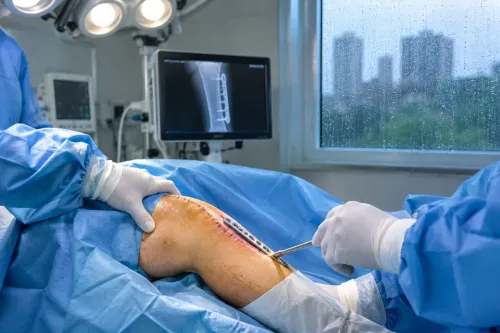
The damaged site determines the reconstruction. In a long-bone lesion or pathological fracture, the surgeon may pass an intramedullary nail through the bone’s centre, secure a plate and screws around the diseased segment, or use both methods. This is the core of myeloma fracture surgery.
A large destructive cavity may be filled with bone cement to provide immediate support. Diseased bone may not biologically heal strongly enough for fixation alone, so cement reinforces the construct while it bridges the weak area.
If the lesion reaches the joint surface, replacing the joint may provide a more durable reconstruction than trying to fix the damaged bone.
For selected painful vertebral compression fractures, vertebroplasty or kyphoplasty can stabilise the collapsed vertebra and reduce mechanical pain. Decompression and spinal stabilisation are reserved for neurological compromise, mechanical instability, or compression unlikely to improve quickly with non-operative treatment.
During the myeloma bone surgery process, the surgeon checks:
- Tumour extent and whether fixation must extend beyond the diseased bone
- Remaining bone strength and the size of any cavity
- Bleeding risk and the position of nearby nerves and blood vessels
- Whether the implant will support durable function despite poor biological healing
An orthopaedic oncology consultation with Dr Mishil Parikh in Mumbai can help coordinate tumour-aware reconstruction when preserving limb or spinal function matters. Surgery treats the local mechanical problem; systemic anti-myeloma treatment remains necessary for disease elsewhere in the skeleton or body.
Related services
Myeloma Myeloma specifically involves abnormal plasma cells that accumulate in the bone marrow and interfere with the production of normal blood cells. |
Limb Salvage Surgery also known as limb-sparing surgery, is a procedure performed to remove a tumor or manage a severe injury in a limb while preserving the limb itself. View service → |
What should you expect after discharge and during recovery?
Recovery after a myeloma bone operation is staged: hospital checks come before discharge, followed by assisted movement and progressive rehabilitation. Staff inspect the wound, circulation, sensation, movement, pain, blood counts, and signs of infection or bleeding.
Physiotherapists practise bed transfers, safe walking, balance, strength, and range of motion. A nail, cement construct, or prosthesis may allow early movement. Another reconstruction may require protected loading, a brace, or a walker. Follow the surgeon’s exact weight-bearing instruction: mechanical stability does not equal biological healing.
After discharge, your myeloma bone operation recovery depends on the fracture site, neurological status, fixation strength, preoperative mobility, and overall health. Follow-up checks wound healing, pain, function, implant position, new neurological symptoms, and laboratory or imaging evidence of myeloma control.
Systemic treatment remains necessary because surgery treats the local mechanical problem, not myeloma throughout the body.
Radiotherapy may follow fixation for residual painful or locally active disease. The team times it around wound healing and systemic treatment; it cannot replace fixation for an unstable long bone or completed fracture.
Contact the treating team urgently for:
- Fever or wound drainage
- Sudden severe pain or sudden loss of function
- Calf swelling
- New weakness or numbness
Frequently asked questions
What happens at the first consultation for myeloma bone surgery?
The team identifies the affected bone, reviews pain and loss of function, checks for neurological symptoms, and discusses fractures, chemotherapy, radiotherapy, steroids, and bone-directed medicines.
How do doctors decide whether surgery is necessary for myeloma bone problems?
Doctors assess whether the problem is mechanical, neurological, or caused mainly by active myeloma. They consider fracture risk, instability, nerve or spinal cord pressure, pain, and the findings on imaging.
What preparation happens before admission and anaesthesia?
Preparation includes reviewing scans and medicines, checking general health and blood results, planning anaesthesia, and confirming the operation, expected restrictions, and possible risks.
What happens during myeloma fracture surgery or other bone operations?
The procedure depends on the bone problem. Surgery can stabilise a fracture, reinforce weakened bone, decompress nerves, or remove tumour tissue while protecting as much function as possible.
What should you expect after discharge during myeloma bone operation recovery?
Recovery includes wound care, prescribed pain relief, movement and weight-bearing instructions, physiotherapy when appropriate, follow-up appointments, and monitoring for infection, new weakness, or worsening pain.
Related services
Metastatic Spine disease also known as spinal metastasis or metastatic spinal tumor. The symptoms of metastatic spine disease can vary depending on the location and extent of... View service → |
Sarcoma / Musculoskeletal / Orthopaedic Oncology Bone Sarcoma, Benign Bone Tumor Bone sarcoma and benign bone tumors are two distinct types of bone conditions. 1. View service → |
Sarcoma / Musculoskeletal / Orthopaedic Oncology A bone cyst is a benign, fluid-filled sac that develops within a bone. It is considered a type of benign bone tumor. View service → |
Pelvic Resection also known as pelvic exenteration, is a surgical procedure that involves the removal of a portion or the entirety of the pelvic organs and... View service → |
Keywords