A person with melanoma needs a different level of assessment when a scan, symptom or examination points to disease in bone, muscle, soft tissue, the pelvis or spine. By the end, you will know which warning signs require urgent care, how doctors confirm the diagnosis, when surgery is useful and what to ask a specialist team in Mumbai.
Key takeaways
- Ask for specialist review when melanoma affects bone, muscle, pelvis or spine.
- Confirm the lesion with imaging and a planned, cancer-safe biopsy.
- Treat fracture risk, pain and spinal instability before they cause major disability.
- Choose a Mumbai team that coordinates surgery, oncology, radiology and pathology.
When melanoma needs a musculoskeletal cancer specialist
A melanoma patient needs a musculoskeletal tumour specialist when cancer is suspected in bone, muscle, soft tissue, the pelvis or spine—not only in the skin. Dermatology treats the primary skin melanoma, while medical oncology manages systemic treatment; an orthopaedic oncologist assesses structural damage and plans cancer-safe biopsy or surgery.
| Primary skin melanoma | Begins in pigment-producing skin cells; treatment focuses on the skin lesion and staging |
|---|---|
| Musculoskeletal melanoma | Usually represents spread to bone or soft tissue; treatment must address tumour extent, stability, nerves, walking and biopsy planning |
Arrange a specialist referral for:
- An enlarging or suspicious bone lesion
- Persistent, focal bone pain
- A soft-tissue lump near a previous melanoma site
- A pathological fracture
- Difficulty walking
- Pain near the hip, shoulder or another major joint
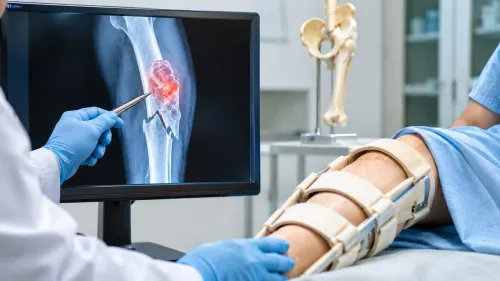
A bone lesion is not automatically metastatic melanoma. Infection, a benign tumour, a new bone sarcoma, trauma or treatment-related change can look similar on scans. If the diagnosis is uncertain, obtain specialist review before biopsy or surgery because the biopsy track may need removal during definitive tumour surgery.
Seek immediate hospital assessment for new limb weakness, loss of sensation, inability to walk, severe spinal pain, or loss of bladder or bowel control. These symptoms can signal spinal cord compression or structural failure and should not wait for a routine appointment.
If you are searching “when melanoma needs a musculoskeletal cancer for specialist in mumbai,” verify experience with musculoskeletal tumours and metastatic bone disease, not only a general orthopaedic title.
How doctors determine what the lesion actually is
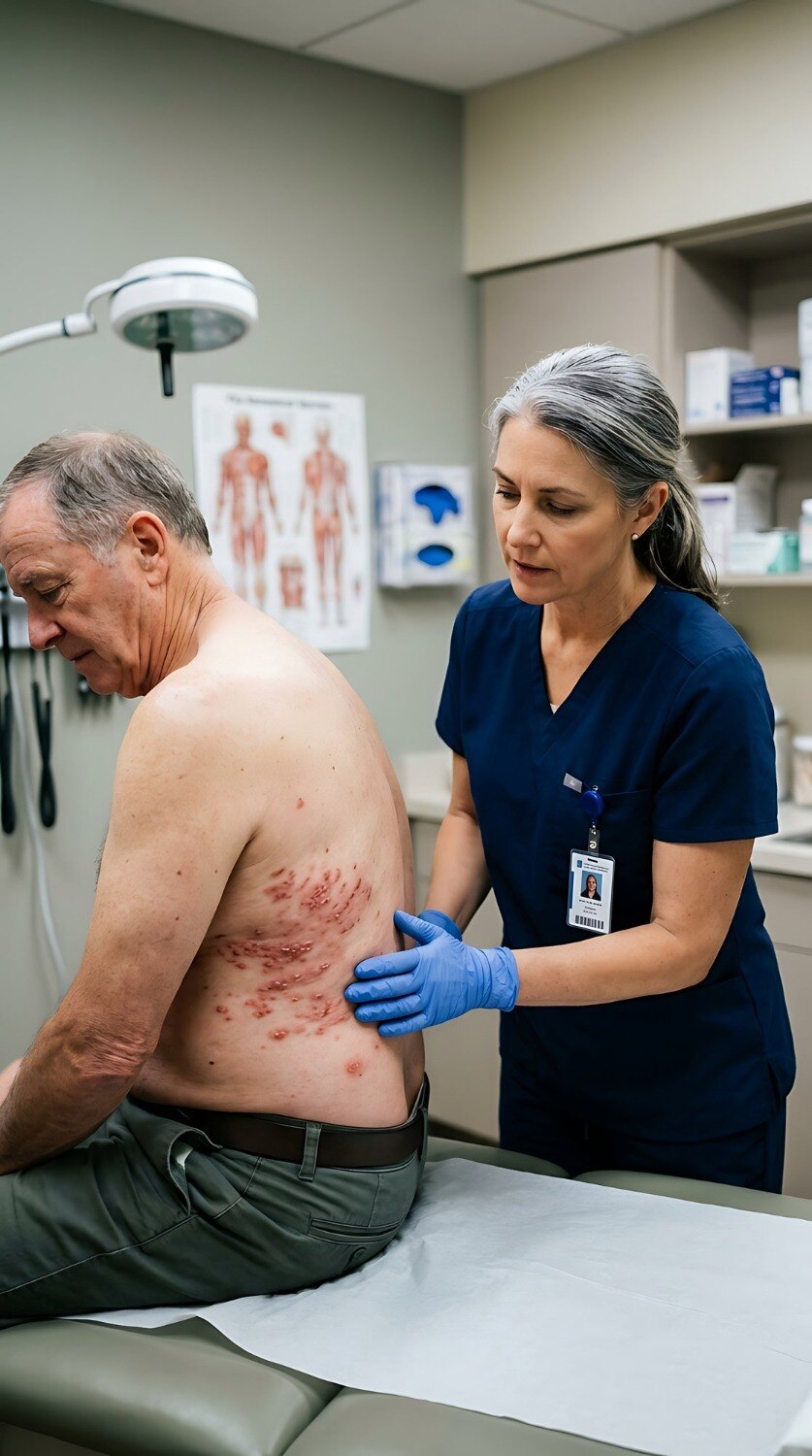
A bone or soft-tissue lesion in someone with melanoma is not automatically a metastasis. Infection, a benign tumour, a new primary bone sarcoma, trauma, treatment-related change and melanoma spread can look alike, so doctors begin by reviewing the original melanoma pathology, examining the area and comparing current images with earlier scans.
1. Use MRI to map marrow, muscle, nerves, blood vessels and the spinal canal. It defines local extension and helps identify threats to function.
2. Use CT to show cortical bone destruction and structural weakness. It also helps plan fracture stabilisation when the lesion affects a weight-bearing bone.
3. Use PET-CT for whole-body staging and to find disease elsewhere. A bone scan has a narrower role and is ordered selectively by the treating team; it does not replace MRI or CT.
4. Obtain a tissue diagnosis when imaging cannot distinguish these possibilities or when the result would change treatment. Plan the biopsy with the team that would perform definitive cancer surgery, because its track must be removed with the tumour to avoid leaving contaminated tissue behind.
Do not allow an unexplained mass to be casually excised, or a presumed ordinary fracture to be fixed, before cancer-aware review. A melanoma bone specialist in Mumbai, such as an orthopaedic oncology team, can coordinate imaging, biopsy and surgical planning before an irreversible procedure.
When the main problem is fracture risk, pain or spinal instability
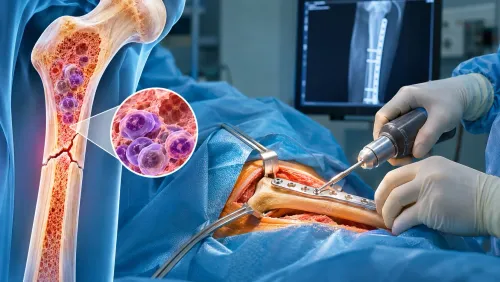
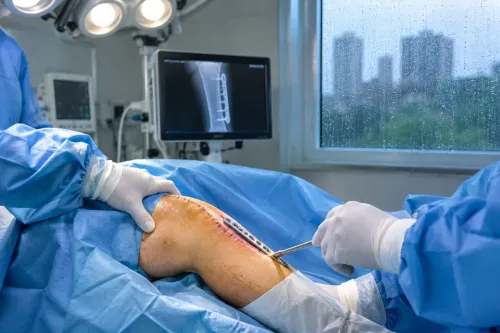
Early referral can prevent a fracture. A lytic melanoma deposit can weaken a weight-bearing bone before it breaks, and prophylactic fixation can preserve mobility while avoiding the greater blood loss, pain and rehabilitation burden of repairing a completed pathological fracture.
For a long-bone lesion, the Mirels score considers:
- Site: upper limb, lower limb or peritrochanteric region
- Pain: mild, moderate or functional pain
- Lesion type: blastic, mixed or lytic
- Lesion size: the proportion of the bone’s diameter involved
A score of 9 or more is a commonly used prompt to consider prophylactic fixation, not an automatic operation rule. The specialist also reviews imaging, fracture pattern, overall melanoma control and your mobility goals.
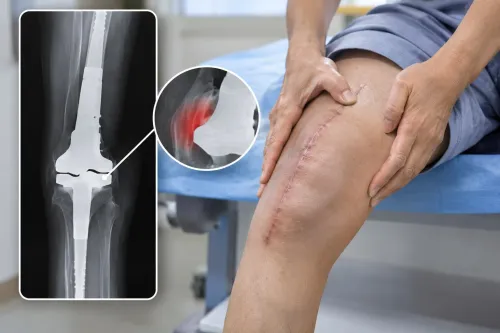
A lesion near the hip, shoulder or another major joint may need cementoplasty, curettage with cement, internal fixation or endoprosthetic reconstruction. The choice depends on bone destruction, joint-surface involvement and whether the segment must carry weight.
| Treatment | What it addresses | Important limitation |
|---|---|---|
| Radiotherapy | Pain relief and local tumour control | Does not reliably restore an unstable long bone or repair an established fracture |
| Surgery | Mechanical stability, fracture prevention or reconstruction | Involves operative risks and is not automatically better for a stable lesion |
Seek emergency assessment for spinal pain with weakness, altered gait, numbness, or new bladder or bowel symptoms. Do not wait for a routine appointment; these signs can indicate spinal cord compression or structural failure.
How treatment decisions are shared across cancer specialties
Finding melanoma in bone does not make surgery automatic. An orthopaedic oncologist works alongside melanoma medical oncology, radiation oncology, radiology and pathology; the specialist adds surgical and structural expertise without replacing the rest of the cancer team.
Systemic treatment remains central when melanoma is widespread. Options include immune-checkpoint therapy and targeted therapy when testing finds an actionable mutation. Radiotherapy may control a local lesion or relieve pain without exposing you to the recovery and risks of an operation.
Surgery may enter the plan for a defined mechanical or local problem:
- Mechanical instability or a completed or impending fracture
- Spinal cord compression requiring decompression or stabilisation
- Selected painful solitary or oligometastatic disease
- A local complication that surgery can meaningfully improve
A stable, painless lesion that does not threaten a major joint, a weight-bearing segment or the spinal cord may be better managed with systemic therapy and/or radiation. An operation does not reliably improve a structurally sound bone.
The team weighs bone destruction, disease elsewhere, expected survival, response to treatment, bleeding and contamination risks, and your mobility goals. A consultation with a melanoma tumour surgeon, including a melanoma tumor surgeon in Mumbai, is an assessment—not a promise of tumour removal. Ask how each specialty’s recommendation fits the overall plan before deciding.
How to choose the right musculoskeletal cancer team in Mumbai
Choose a team with documented experience in musculoskeletal tumours and metastatic bone disease, not only a general orthopaedic or sports-medicine title. A search for melanoma orthopedic oncology in Mumbai or a melanoma bone specialist in Mumbai should lead you to ask:
- Are my biopsy plan and proposed operation reviewed in a tumour multidisciplinary meeting?
- Which radiologist will interpret the scans, and which pathologist will review the tissue?
- How are melanoma medical oncology and radiation oncology involved?
- How does the team manage stabilisation, tumour resection, reconstruction and rehabilitation?
| What to verify | Why it matters | Warning sign |
|---|---|---|
| Biopsy planning | The biopsy track may need removal during cancer surgery | Casual excision or biopsy elsewhere |
| Imaging and pathology review | Bone lesions can represent metastasis, infection, benign tumour or sarcoma | One opinion based only on an old scan |
| Medical and radiation oncology | Systemic treatment or radiation may offer better risk-benefit balance than surgery | Surgery presented as automatic |
| Reconstruction and rehabilitation | Treatment must address strength, mobility and recovery | No plan beyond tumour removal |
The right melanoma tumour surgeon in Mumbai may recommend no operation when systemic treatment or radiation controls the disease with less risk. A consultation with Dr Mishil Parikh can assess whether a suspected bone, soft-tissue, pelvic or related musculoskeletal tumour needs biopsy planning, fracture prevention, stabilisation or cancer surgery within a coordinated Mumbai-based plan.
Related services
Skin Cancers Skin cancer refers to the abnormal growth of skin cells, typically as a result of damage to the DNA of the skin cells caused by exposure to... View service → |
Metastatic Spine disease also known as spinal metastasis or metastatic spinal tumor. The symptoms of metastatic spine disease can vary depending on the location and extent of... View service → |
Frequently asked questions
When does melanoma need a musculoskeletal cancer specialist?
Ask for an orthopaedic oncology assessment when melanoma is suspected in bone, muscle, soft tissue, the pelvis or spine. The specialist evaluates structural damage and plans a cancer-safe biopsy or operation.
How do doctors determine what a melanoma-related lesion actually is?
Doctors combine the examination, imaging and pathology. An orthopaedic oncologist helps plan the biopsy route so it does not compromise later cancer surgery.
When is the main concern fracture risk, pain or spinal instability?
Specialist review is important when a lesion weakens a weight-bearing bone, causes persistent or severe pain, threatens a fracture, or affects spinal stability and nerve function.
How are melanoma musculoskeletal treatment decisions shared across specialties?
Dermatology manages the primary skin melanoma, medical oncology directs systemic treatment, and orthopaedic oncology addresses structural damage, biopsy planning and surgery. Radiology and pathology complete the assessment.
How do you choose a melanoma bone specialist or tumour surgeon in Mumbai?
Look for a team experienced with musculoskeletal tumours that coordinates orthopaedic oncology, medical oncology, radiology, pathology and rehabilitation around one treatment plan.
Related services
Limb Salvage Surgery also known as limb-sparing surgery, is a procedure performed to remove a tumor or manage a severe injury in a limb while preserving the limb itself. View service → |
3D Printed & Computer Navigation Assisted Cancer Surgery 3D Printed & Computer Navigation Assisted Cancer Surgery 3D printing and computer navigation technologies have revolutionized the field of cancer surgery, particularly in complex cases that require precise... View service → |
Keywords