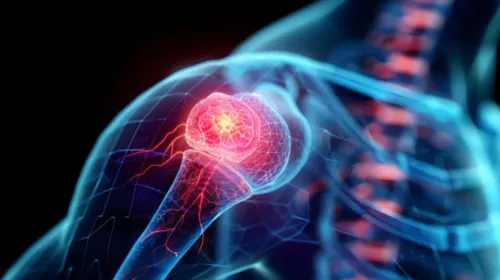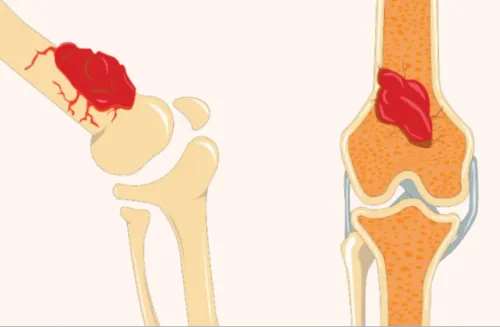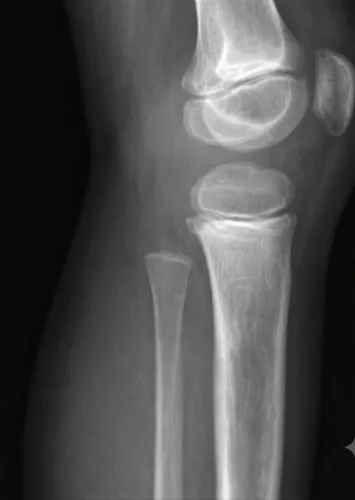
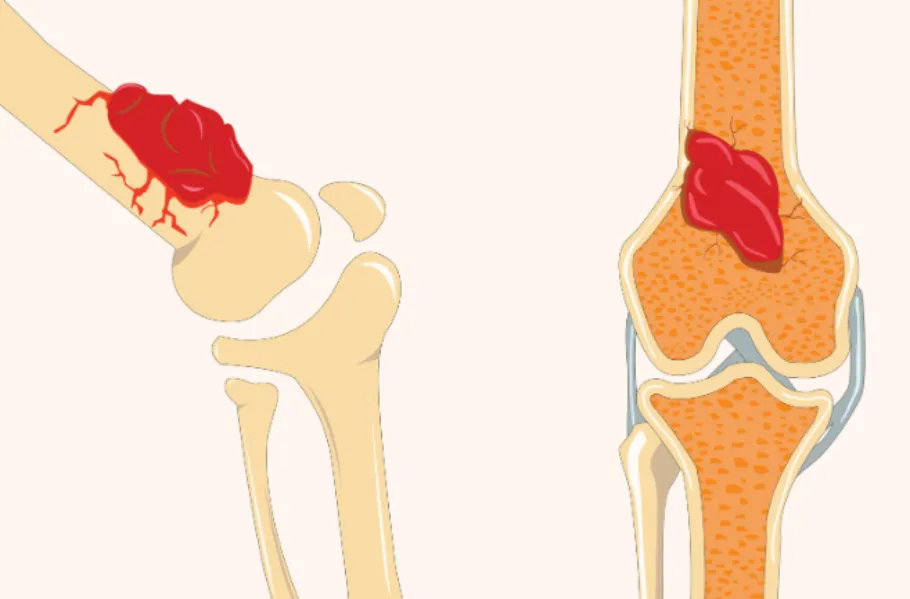
Sarcoma is a rare type of cancer that develops in bones or soft tissues such as muscles, tendons, fat, nerves, and connective tissue. Because these cancers are uncommon and their symptoms often resemble common orthopedic problems, diagnosis is sometimes delayed. Unfortunately, waiting too long to seek medical advice may allow the disease to progress.
Early diagnosis plays a vital role in improving treatment options, preserving function, and achieving better long-term outcomes.
For individuals in Mumbai who experience persistent bone pain or an unexplained lump, understanding the importance of timely evaluation can make a meaningful difference.
What Is Sarcoma?
Sarcoma is broadly divided into two categories:
- Bone Sarcoma, including Osteosarcoma, Ewing Sarcoma, and Chondrosarcoma
- Soft Tissue Sarcoma, which develops in muscles, fat, blood vessels, tendons, or connective tissues
Although both are rare, they require specialized diagnosis and treatment because their behavior differs from many other cancers.
Why Diagnosis Is Often Delayed
The early symptoms of sarcoma can resemble far more common conditions.
Patients may initially assume they have:
- A sports injury
- Muscle strain
- Arthritis
- Growing pains
- A harmless lump
As a result, medical attention is often postponed until symptoms become more severe.
Symptoms That Should Not Be Ignored
Early evaluation is recommended if you notice:
- Persistent bone pain
- A lump that continues to grow
- Swelling without injury
- Pain that worsens at night
- Difficulty moving a limb
- A fracture after minor trauma
These symptoms do not always indicate sarcoma, but they deserve careful assessment.
How Early Diagnosis Improves Treatment
When sarcoma is identified early, doctors often have more treatment options available.
Potential benefits include:
- Smaller tumors at the time of surgery
- Better opportunities for Limb Salvage Surgery
- Lower risk of complications
- Improved recovery
- Greater preservation of normal movement
- Better long-term outcomes
Earlier diagnosis also allows treatment to begin before the cancer has spread to other parts of the body.
The Role of Imaging and Biopsy
Modern diagnostic tools help specialists accurately identify sarcomas.
Investigations commonly include:
- X-rays
- MRI scans
- CT scans
- PET-CT in selected patients
- Ultrasound for certain soft tissue masses
- Biopsy for definitive diagnosis
A carefully planned biopsy is essential because it determines the exact tumor type and guides treatment decisions.
Why Specialist Care Is Important
Sarcomas are uncommon, and treatment requires experience in musculoskeletal oncology.
Management often involves:
- Orthopaedic oncologists
- Medical oncologists
- Radiation oncologists
- Pathologists
- Radiologists
- Physiotherapists
- Rehabilitation specialists
A multidisciplinary approach ensures that patients receive comprehensive and coordinated care throughout treatment.
What Happens After Diagnosis?
Treatment depends on several factors, including:
- Tumor type
- Tumor size
- Tumor location
- Cancer stage
- Patient's age
- General health
Depending on the diagnosis, treatment may include surgery, chemotherapy, radiation therapy, targeted rehabilitation, or a combination of these approaches.
Every treatment plan is tailored to the individual rather than following a one-size-fits-all model.
Accessing Specialized Sarcoma Care in Mumbai
Patients diagnosed with bone or soft tissue sarcoma benefit from evaluation by specialists who routinely manage these rare cancers. Dr. Mishil Parikh provides comprehensive musculoskeletal oncology care, focusing on accurate diagnosis, individualized treatment planning, and advanced surgical management for bone and soft tissue tumors. Educational resources available through mskonco.com also help patients and families understand their condition and prepare for informed discussions with their healthcare team.
Although sarcomas are rare, they should never be overlooked. Recognizing symptoms early and seeking specialist evaluation gives patients the best opportunity for timely treatment, preservation of function, and improved long-term outcomes.
Keywords