Ewing Sarcoma is a rare but aggressive form of bone cancer that primarily affects children, teenagers, and young adults. Because its early symptoms often resemble sports injuries, growing pains, or minor infections, diagnosis can sometimes be delayed. Recognizing the warning signs and seeking prompt medical evaluation are essential for improving treatment outcomes.
Patients in Mumbai and across Maharashtra who experience persistent bone pain or unexplained swelling should not ignore these symptoms, especially if they continue despite rest or routine treatment.
What Is Ewing Sarcoma?
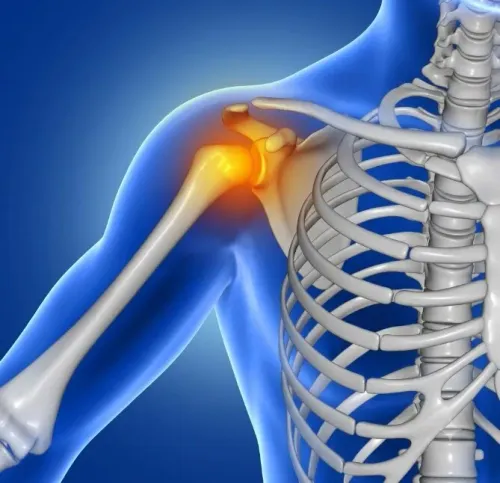
Ewing Sarcoma is a cancer that develops in bones or the surrounding soft tissues. It most commonly affects the:
- Pelvis
- Thigh bone (femur)
- Shin bone (tibia)
- Upper arm bone (humerus)
- Ribs
Although it is uncommon, Ewing Sarcoma is one of the most frequently diagnosed bone cancers in children and adolescents.
Unlike many orthopedic conditions, this cancer grows quickly and requires specialized treatment involving multiple medical disciplines.
Early Symptoms to Watch For
The symptoms of Ewing Sarcoma can vary depending on the location of the tumor, but some warning signs are more common than others.
These include:
- Persistent bone pain that worsens over time
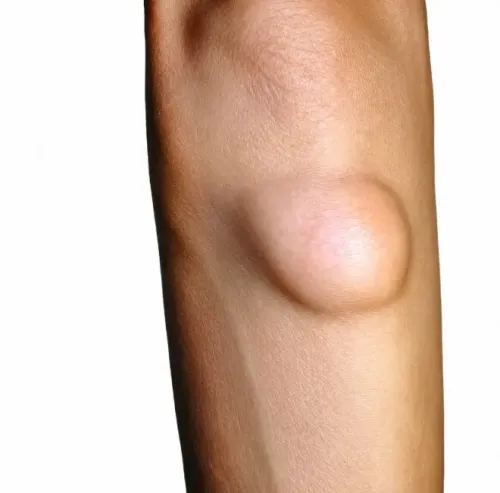
- Swelling or a noticeable lump
- Tenderness around the affected bone
- Pain during physical activity
- Fever without an obvious infection
- Fatigue
- Unexplained weight loss
Pain may initially come and go, causing many families to believe it is related to sports or growth. However, if symptoms continue for several weeks or become progressively worse, further evaluation is recommended.
Why Early Diagnosis Is Important
Ewing Sarcoma grows rapidly compared to many other bone tumors. Early diagnosis helps doctors begin treatment before the disease spreads to other parts of the body.
Timely diagnosis may:
- Improve treatment success
- Increase the possibility of limb-preserving surgery
- Reduce complications
- Improve long-term quality of life
Delaying evaluation can make treatment more complex, which is why persistent symptoms should always be assessed by an experienced specialist.
How Is Ewing Sarcoma Diagnosed?
A thorough diagnosis requires several investigations to understand both the tumor and its stage.
Common diagnostic tests include:
- Physical examination
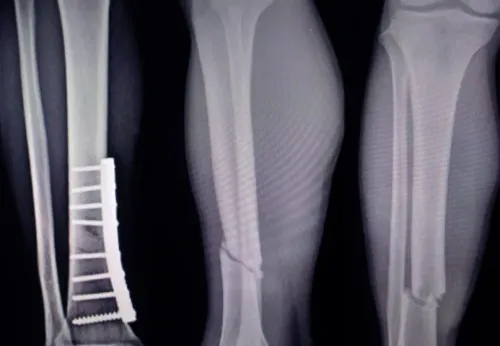
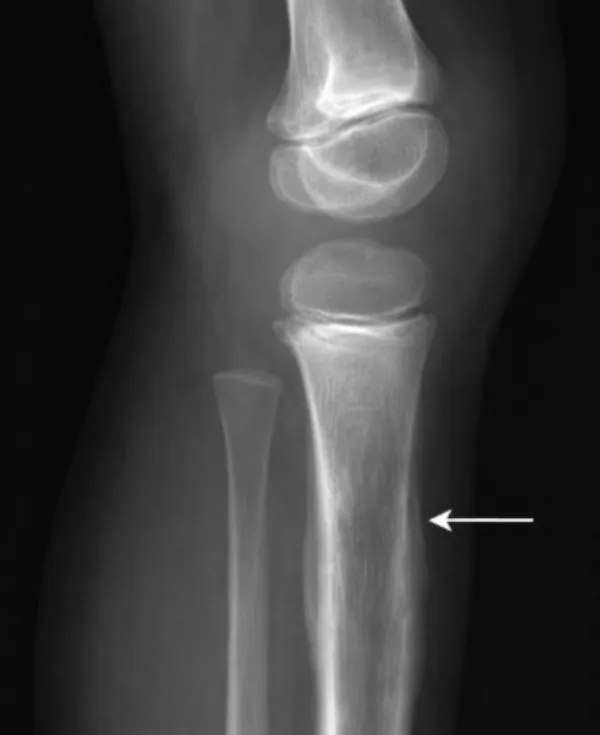
- X-rays
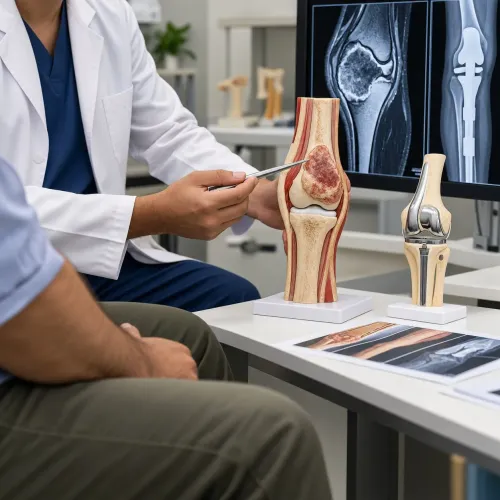
- MRI scan
- CT scan
- PET-CT or bone scan
- Biopsy for confirmation
A biopsy is the definitive test that identifies the exact type of cancer and guides treatment planning.
Treatment for Ewing Sarcoma
Treatment usually combines multiple approaches because Ewing Sarcoma responds best to coordinated care.
The treatment plan may include:
Chemotherapy
Chemotherapy is generally started before surgery to shrink the tumor and destroy microscopic cancer cells.
It may also continue after surgery to reduce the risk of recurrence.
Surgery
The aim of surgery is to remove the tumor completely while preserving healthy tissue whenever possible.
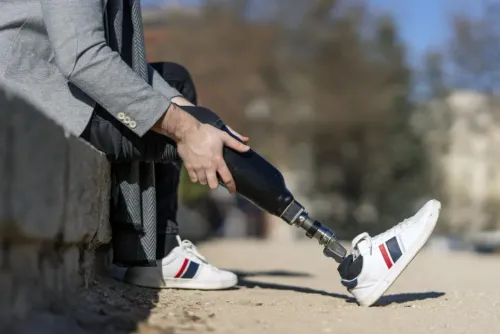
Advances in orthopedic oncology have made limb preservation feasible for many patients who previously required more extensive procedures.
Radiation Therapy
Radiation therapy may be recommended when surgery is not possible or when additional treatment is needed after tumor removal.
The treatment approach depends on the location, size, and response of the tumor.
Recovery and Rehabilitation
Recovery extends beyond cancer treatment.
Patients often benefit from:
- Physiotherapy
- Muscle strengthening exercises
- Joint mobility training
- Regular follow-up imaging
- Emotional and psychological support
Children and young adults may also require educational and social support during recovery to help them return to normal daily activities.
Living Beyond Treatment
Many patients successfully complete treatment and continue leading active lives. Long-term follow-up remains important to monitor recovery, detect recurrence early, and manage any treatment-related complications.
Regular follow-up appointments allow specialists to evaluate bone health, implant function if reconstruction has been performed, and overall physical well-being.
Expert Care for Rare Bone Cancers in Mumbai
Because Ewing Sarcoma is uncommon, patients often benefit from treatment at centres experienced in musculoskeletal oncology. Dr. Mishil Parikh specializes in the evaluation and surgical management of bone and soft tissue tumors, working within a multidisciplinary framework to develop individualized treatment plans. Patients seeking reliable educational information about these conditions can also explore resources available through mskonco.com.
Early recognition, accurate diagnosis, and coordinated specialist care remain the foundation of successful Ewing Sarcoma treatment, helping patients achieve better outcomes while preserving function whenever possible.
Keywords